Ensuring the proper storage of whipped cream chargers is essential for maintaining their quality, safety, and effectiveness. Whether you’re a professional chef, a home culinary enthusiast, or someone who occasionally uses these chargers for special treats, knowing how to store whipped cream chargers correctly can prolong their shelf life and ensure they function flawlessly whenever needed.
In this comprehensive guide, we will explore the most effective methods for storing whipped cream chargers, address common questions about their usage and disposal, and offer insights into maintaining their integrity from purchase to application.
How many times can you use a whipped cream charger?
When utilizing whipped cream chargers, one of the earliest questions that may come to mind is about their reusability and longevity. Many users wonder whether a single charger can be used multiple times or if it’s meant for one-time use only.
Using whipped cream chargers effectively and economically involves understanding their capacity and safety considerations. Typically, a standard charger filled with food-grade nitrous oxide (N2O) can be used for a certain number of dispenses, but the number depends largely on the type of use, equipment, and storage conditions.
The lifecycle of a whipped cream charger
Most commercially available whipped cream chargers are designed for single use. Once the nitrous oxide has been released into the cream dispenser, the charger is depleted and cannot be reused safely or effectively. Attempting to reuse a charger can lead to inconsistent results, safety hazards, or equipment damage.
However, in some environments—such as professional kitchens or specialized food manufacturing—recyclable or refillable systems may allow for multiple uses with appropriate cleaning and maintenance. But broadly speaking, each cream charger is intended to be used once and then disposed of correctly.
Reusing whipped cream chargers safely
Despite the standard design, some users try to recycle chargers to reduce waste, but this practice is generally discouraged. Reusing chargers can lead to gas leakage, safety hazards, and compromised quality. Proper disposal of used chargers is essential for safety and environmental reasons. Many manufacturers, including COLLAPSAR, promote responsible disposal and recycling practices to minimize environmental impact.
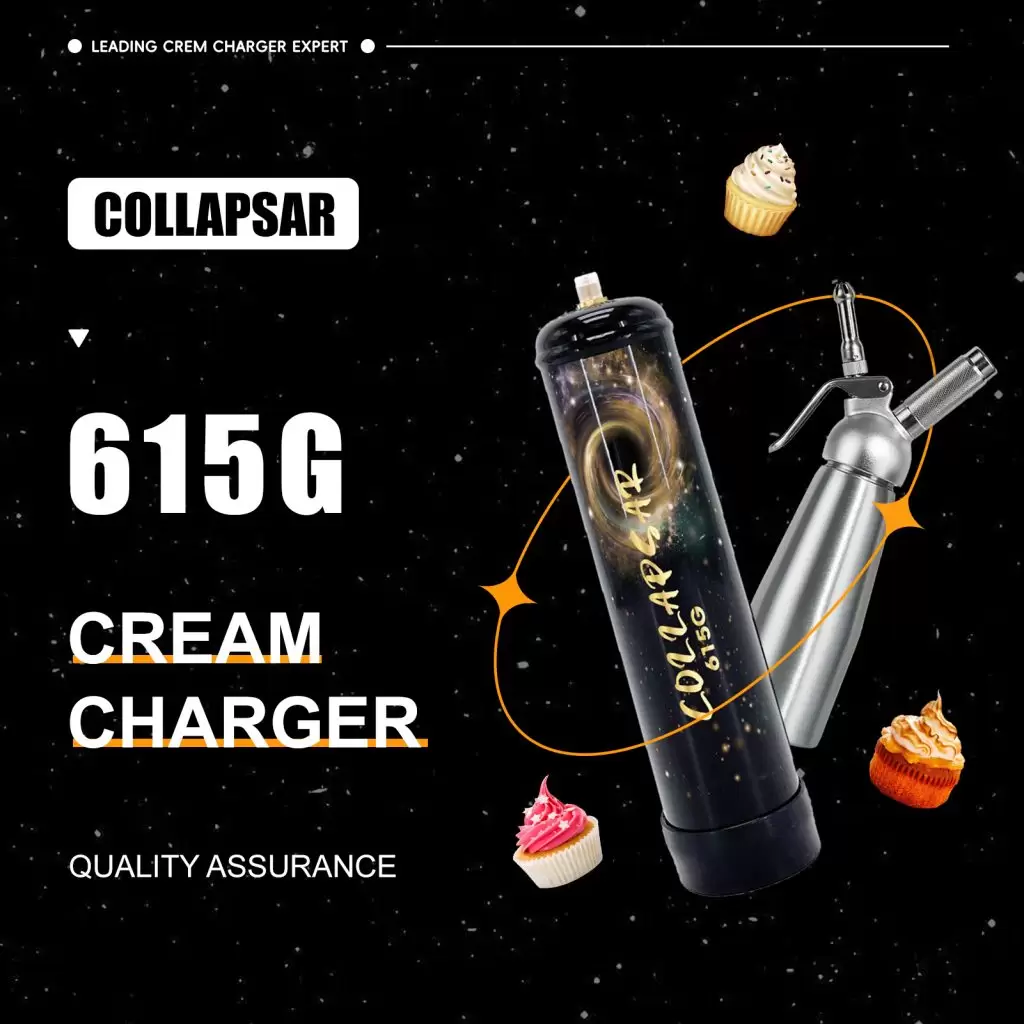
It’s also worth noting that high-quality chargers, such as COLLAPSAR’s nitrate oxide tanks, are designed to contain pressurized gas safely for a single use. Always follow manufacturer instructions and safety standards to avoid accidents.
Practical tips for efficiency
If you frequently use whipped cream chargers, consider investing in a larger tank like the Collapsar 3.3L 2000G, which provides a greater volume of nitrous oxide and can serve multiple dispensing sessions before needing replenishment. For occasional use, sticking with standard chargers and replacing them after each use is most prudent for safety and quality assurance.
In summary, a single whipped cream charger should not be reused, and understanding the proper lifecycle is essential for safety and optimal performance. Proper disposal and recycling are vital, especially when considering environmental impact, and professional-grade tanks can enhance efficiency for high-volume applications.
How to store whipped cream without a fridge?

Storing whipped cream without refrigeration might seem challenging, especially in hot or humid environments. However, if you need to keep whipped cream or its chargers for some time without access to a refrigerator, specific guidelines can help maintain its quality, safety, and usability.
Keep whipped cream in a cool, dark place
The first and most crucial step when storing whipped cream or chargers without refrigeration is to select an optimal storage environment. A cool, dark, and dry area is ideal. Temperatures should be maintained below 70°F (21°C) to prevent the degradation of the nitrous oxide and prevent microbial growth in the cream.
Avoid storing whipped cream in direct sunlight or near heat sources, as exposure to heat will cause the cream to spoil rapidly and could increase pressure inside the dispensers or chargers, leading to safety issues.
Use insulated containers or cool packs
To maximize freshness without refrigeration, consider using insulated containers or cool packs. These items help maintain a consistent, cool temperature and prevent rapid spoilage. When storing cream in a dispenser, wrap it with ice packs or place it inside an insulated bag to shield it from temperature fluctuations.
This method is particularly useful if you plan to serve whipped cream in outdoor settings or in regions with high ambient temperatures. While it isn’t a substitute for refrigeration, it can prolong the usability of whipped cream during short periods.
Consider the lifespan of whipped cream and chargers
Even with optimal storage, whipped cream has a limited shelf life without refrigeration. Generally, whipped cream is best used within 2 hours at room temperature to ensure safety and quality. Once whipped, the texture and taste begin to degrade, and bacteria can develop if left out for too long.
The chargers themselves, when stored properly, do not require refrigeration because they contain compressed nitrous oxide, which remains stable in a sealed environment. Ensuring that the chargers are stored upright in a cool, dry place will prevent accidental release or damage.
Additional tips for long-term storage
For longer storage, consider keeping unopened cream chargers in a temperature-controlled storage unit if refrigeration isn’t available. This can help preserve the integrity of the gas until usage. If you have an unused, sealed charger, keeping it in a cool, dry environment will ensure it remains safe and effective until needed.
In outdoor or makeshift settings, always prioritize safety and avoid storing chargers near heat sources, open flames, or in direct sunlight. Proper handling of both whipped cream and chargers is key to ensuring safety, quality, and success in your culinary endeavors.
How long can whipped cream last without refrigeration?
Understanding the lifespan of whipped cream without refrigeration is essential for both safety and quality control. While refrigerated whipped cream can last for days, the non-refrigerated version has a much shorter window before it begins to spoil or become unsafe.
The rapid decline of whipped cream at room temperature
Once whipped cream is exposed to room temperature, bacteria and microbial growth can accelerate rapidly. Generally, whipped cream should not be left out for more than 2 hours, especially if it is made from fresh dairy products. Beyond this window, the risk of foodborne illness increases significantly.
In hot or humid environments, this safe window diminishes further to approximately an hour, as bacteria proliferate more quickly. This is why proper refrigeration is critical when storing whipped cream for any length of time.
Factors affecting shelf life without refrigeration
Several factors influence how long whipped cream remains safe and palatable without refrigeration, including:
- Temperature: Cooler ambient temperatures extend shelf life slightly.
- Presence of preservatives: Commercial stabilized whipped cream may last longer than homemade.
- Type of cream used: Heavy cream with higher fat content tends to spoil more slowly.
- Handling and hygiene: Properly cleaned equipment and sanitary handling reduce contamination risks.
In scenarios where refrigeration isn’t available, using stabilized whipped cream or employing protective storage techniques can extend usability marginally. However, it is important to realize that fresh whipped cream typically remains safe for about 2 hours outside refrigeration.
The impact on texture and taste
Even if whipped cream doesn’t spoil immediately, its texture and flavor start degrading quickly without cold storage. The cream may separate, become watery, or develop an off-taste, reducing the enjoyment of your dessert or dish.
This decline in quality emphasizes that whipped cream, especially freshly made, is best served immediately or stored in the refrigerator. For outdoor events or emergencies, keep it chilled in a cooler with ice packs and only remove for serving.
Safety considerations and best practices
If you must store whipped cream without refrigeration, always check for signs of spoilage before serving—sour smell, discoloration, or sliminess indicate that it should be discarded. When in doubt, err on the side of caution to prevent foodborne illnesses.
In the end, the safest approach is to plan ahead and have refrigeration available if you want to enjoy whipped cream at its best quality and safety. Proper handling and storage are essential to prevent spoilage and ensure your culinary creations are both delicious and safe to consume.
How to dispose of unused cream chargers?
Disposing of unused or empty whipped cream chargers safely and responsibly is vital for environmental and personal safety. Since these chargers are pressurized cylinders filled with nitrous oxide, proper disposal procedures must be followed to prevent accidents and pollution.
Why proper disposal matters?
Nitrous oxide, although commonly used in culinary applications, is a compressed gas that can be hazardous if released improperly. Disposal mishaps can lead to gas leakages, environmental harm, and safety risks to sanitation workers or the public.
Moreover, many jurisdictions have specific regulations concerning the disposal of pressurized containers. Following legal and safety guidelines minimizes liabilities and promotes sustainable practices.
Step-by-step guide for disposal
- Ensure the charger is empty:
Before disposal, confirm that the charger has been fully used. Many chargers display a puncture or venting indicator, but the best practice is to use all the gas contained inside. If any residual gas remains, consider venting it in a safe outdoor area away from flames or heat sources.
- Do not puncture or crush the chargers manually: Puncturing or crushing can release the remaining gas unexpectedly, posing explosion risks. Use manufacturer-approved methods or designated recycling facilities.
- Use designated recycling programs: Many recycling centers accept empty, empty-certified metal cylinders and recyclables. Check local regulations to locate approved facilities or programs in your area. Some suppliers, such as the COLLAPSAR Wholesale, offer guidelines or take-back programs suitable for commercial users.
- Follow local regulations: Disposal rules vary by region. Some areas require special collection or hazardous materials disposal. Always verify domestic or regional guidelines to serve the environment and community safety.
Recycling options for high-volume users
Business or professional users utilizing large tanks like the Collapsar 3.3L 2000G are often eligible for specialized collection and recycling programs. These solutions reduce waste and minimize environmental impact.
Environmental considerations
Recycling used chargers reduces metal waste and minimizes the release of residual gases into the atmosphere. Some disposal facilities can safely extract remaining gases before recycling, ensuring safety and environmental protection.
Choosing environmentally responsible disposal methods aligns with sustainable culinary practices, consumer safety, and legal compliance.
Final safety reminder
Always prioritize safety when handling used or empty chargers. Never attempt to puncture, crush, or modify them unless authorized and equipped to do so. Proper disposal of used chargers not only safeguards health but also helps preserve our environment.
Do whip creams need to be refrigerated?
The question of whether whipped cream needs to be refrigerated is common among both home cooks and professional chefs. While refrigeration is generally recommended, the answer depends on the form of whipped cream, its preparation, and how it’s stored.
The importance of refrigeration for fresh whipped cream
Fresh whipped cream, made from heavy cream and cream preservatives, contains dairy which is highly perishable. To prevent bacterial growth, spoilage, and flavor loss, refrigerating whipped cream immediately after preparation is essential. Cold storage helps maintain its texture, taste, and safety for several days.
In a typical household setting, whipped cream purchased from the store often contains stabilizers or preservatives that extend its refrigerated shelf life. Once opened, it should be kept refrigerated and used within the time specified on the packaging—usually 1-2 weeks for commercially stabilized products.
When is refrigeration not necessary?
Certain types of whipped cream, such as stabilized or aerosol whipped toppings, are formulated to be shelf-stable. These products are often stored at room temperature before use and only require refrigeration after opening or for prolonged storage.
For instance, aerosol cans with whipped cream can be kept at room temperature, especially if unopened; but once opened, refrigeration prolongs freshness and prevents spoilage.
Storage tips for homemade whipped cream
In the case of homemade whipped cream, refrigeration is a must. Store it in an airtight container in the fridge at or below 40°F (4°C). Proper sealing prevents absorption of other odors, and using chilled utensils and containers can help maintain its texture longer.
If you want to keep whipped cream application-ready for several hours, consider stabilizing it with ingredients like gelatin or commercial stabilizers, which help prevent it from deflating or separating.
Practical considerations and food safety
In any scenario, always prioritize food safety. If whipped cream has been left out at room temperature for more than two hours, especially in warm environments, it’s safer to discard it. Spoiled cream can cause foodborne illnesses and unpleasant tastes.
To ensure safety and quality, keep whipped cream refrigerated whenever possible, particularly if it contains dairy or perishable ingredients. Proper storage not only extends shelf life but also preserves the fresh, creamy texture you desire.
In summary, while some commercial whipped toppings can be stored at room temperature initially, homemade whipped cream should always be refrigerated to ensure safety, freshness, and optimal taste.
How to clean a whipped cream charger?
Cleaning and maintaining your whipped cream dispenser and charger system is vital for ensuring safety, longevity, and consistent results. Proper cleaning procedures prevent cross-contamination, buildup, and equipment malfunction.
The importance of proper cleaning
Uncleaned cream dispensers can harbor bacteria, oils, and dairy residues that can spoil future batches or cause health issues. In addition, residue buildup can impair gas flow or discharge, leading to inconsistent whip quality. Cleaning also extends the lifespan of your equipment and maintains its performance.
Steps for cleaning a whipped cream charger dispenser
- Disassemble the dispenser Carefully detach the nozzle, cream chamber, and any removable parts. Always follow the manufacturer’s instructions for disassembly to prevent damage. Proper reassembly ensures the device functions correctly in subsequent uses.
- Wash with warm water and mild detergent Use warm water and a gentle dish soap to clean the parts thoroughly. Scrubbing with a soft brush can help remove any stubborn cream residues. Avoid abrasive cleaners which can damage the surface or seals.
- Rinse thoroughly Rinse all parts under clean, running water to remove soap residue. Residual soap can affect flavor and interfere with gas flow. Ensure no soap remains in the nozzle or crevices.
- Sanitize if necessary For commercial use, sanitizing with food-grade disinfectants or a vinegar solution can help eliminate bacteria. Always follow safety guidelines for sanitizers and thoroughly rinse before reassembling.
- Dry completely before reassembly Air drying or using a clean towel ensures all parts are dry, preventing rust or corrosion, especially if the equipment is made of metal. Moisture on parts can lead to mold growth or equipment malfunction.
Maintenance tips for longevity
Regular cleaning after each use is recommended. For disposable chargers, focus on cleaning the dispenser and accessories. For reusable systems, periodic deep cleaning and inspection guarantee continuous high performance.
Furthermore, store your whipped cream dispenser in a clean, dry, and safe location when not in use. Proper maintenance enhances safety, prevents contamination, and ensures consistent whipping performance.
Final thoughts
Cleaning a whipped cream charger and dispenser promptly and thoroughly is an investment in quality, safety, and equipment durability. It reflects good culinary practices and ensures that every whipped cream application remains fresh, delicious, and safe for consumption.
Can you put a cream whipper in the fridge?
A common question among users of cream whippers or dispensers is whether it’s possible or advisable to refrigerate the entire device. The answer is nuanced, depending on the type of device and how it’s used.
Refrigerating the dispenser vs. just the ingredients
In most cases, refrigerating the entire cream whipper isn’t necessary, nor is it practical. The device itself is generally made of metal and plastic components that are not designed for prolonged refrigeration. Instead, the focus should be on refrigerating the ingredients—specifically, the cream and any stabilizers—before filling the device.
Chilled cream yields fluffier, more stable whipped toppings and reduces the risk of spoilage. Pre-chilling the dispenser and its parts can also help achieve optimal results when dispensing whipped cream.
Practical tips for refrigeration
If you plan to use your cream whipper repeatedly, refrigerate the cream and the device’s parts in a standard fridge before use. Store the assembled device in a way that prevents dust or contamination. When ready to serve, attach a new charger and dispense immediately.
For storage after use, the dispenser can be kept in the refrigerator, especially if it contains fresh whipped cream. Just ensure it’s tightly sealed to prevent absorbing other odors.
Considerations for safety and maintenance
Refrigerating the entire dispenser for prolonged periods isn’t recommended because condensation can form on metal parts, leading to rust or corrosion over time. Additionally, some components may not tolerate the cold and could become brittle or damaged if frozen.
In conclusion, the best practice is to refrigerate the ingredients and keep the dispenser in a cool, dry place, then chill the device briefly before use. Proper handling and storage maximize the lifespan and performance of your whipping equipment while ensuring food safety.
What are whipped cream chargers filled with?
Understanding what whipped cream chargers are filled with is fundamental to using them safely and effectively. The core component of these chargers is a compressed gas that creates the pressure needed to dispense whipped cream.
Composition of whipped cream chargers
Most high-quality whipped cream chargers, including those from COLLAPSAR, are filled with food-grade nitrous oxide (N2O). Nitrous oxide is a colorless, odorless, non-flammable gas that dissolves readily in fats and liquids, making it ideal for whipping cream. It’s approved for culinary use when used according to safety standards.
Nitrous oxide’s properties allow it to be released into the cream as tiny bubbles, creating the light, fluffy texture that whipped cream is known for. These chargers are filled under strict regulations to ensure purity, safety, and performance.
Why food-grade quality matters
Manufacturers like COLLAPSAR emphasize the use of 100% food grade nitrous oxide because impurities or contaminants could adversely affect the taste, safety, and chemical properties of the cream. Impurities could also pose health risks if ingested, so reputable brands maintain rigorous quality control.
High-grade nitrous oxide is also odorless and tasteless, preventing flavor interference with your culinary creations. This purity enhances the delicate texture that whipped cream should have, providing the perfect consistency for desserts, coffee, and other treats.
Safety considerations
While nitrous oxide is safe for culinary purposes, it’s essential to handle chargers with care. Always store them in a cool, dry place away from heat sources and direct sunlight. When using chargers, follow manufacturer instructions to avoid accidental gas release or explosions.
Unused chargers should be disposed of responsibly, following local regulations and recycling programs. Many commercial providers, like COLLAPSAR, offer guidelines on safe handling and disposal to ensure environmentally friendly practices.
In summary, whipped cream chargers are filled with food-grade nitrous oxide, a critical component that creates the perfect whipped texture while ensuring safety and purity through stringent quality control measures.
What to do with cream chargers?
Dealing with cream chargers after their use or when they are no longer needed requires responsible handling to ensure safety, sustainability, and compliance with regulations.
Immediate disposal after use
Once a cream charger has been fully depleted, it should be disposed of properly. Confirm that all the gas has been used, or vent any residual gas in a well-ventilated outdoor area away from heat or flames. Never puncture or crush the charger forcefully, as residual pressure could cause an unsafe explosion.
Recycling programs tailored for metal pressurized containers are the most environmentally responsible option. Check local guidelines or contact special waste management facilities for proper disposal procedures.
Reusing or recycling options
Some users, especially commercial outlets, consider recycling or even refilling certain types of chargers or tanks, like the COLLAPSAR large tanks. These larger tanks are often designed for multiple uses and can be refilled or recharged safely if facilities exist to do so.
Recycling not only minimizes environmental impact but also reduces waste buildup in landfills. Many metal chargers, with proper processing, can be recycled with other scrap metals, provided they are completely empty and depressurized.
Eco-friendly disposal considerations
For environmentally conscious users, choosing biodegradable or recyclable chargers and disposing of them correctly is a vital step toward sustainability. Many suppliers now promote eco-friendly practices and take-back programs for used equipment and chargers.
Additionally, it’s recommended to educate yourself on regulations regarding pressurized container disposal in your region. Improper disposal can lead to fines, safety hazards, and environmental damage.
Best practices for businesses
For commercial operators, establishing a routine disposal and recycling protocol is essential. Partnering with certified waste disposal companies ensures compliance and safety. Refillable tanks like those used with Collapsar tanks are especially advantageous for sustainability and cost-efficiency.
In conclusion, responsibly handling and disposing of cream chargers is a critical aspect of safe culinary practices. Proper disposal procedures protect both the environment and the user, contributing to a more sustainable culinary industry.
Can you freeze whipped cream canisters?
Many users wonder if freezing whipped cream canisters is viable or beneficial, especially for long-term storage or quick access during busy service times.
Freezing for extended storage
Technically, you can freeze whipped cream in a canister, but this practice has inherent drawbacks. When frozen and then thawed, whipped cream often loses its original texture, becoming watery or separated. The air bubbles created during whipping collapse during the freezing process, leading to a less desirable consistency.
Thawed whipped cream from a canister is usually only suitable for cooking or baking rather than serving as a fresh topping.
Freezing unopened chargers
Conversely, unopened, sealed chargers like those from COLLAPSAR are safe to store in the freezer. The gas inside remains stable at low temperatures, and freezing can extend their shelf life. However, once thawed, these chargers should be used promptly to ensure safety and efficiency.
Safety warnings and recommendations
Freezing a charged canister is not recommended for safety reasons. The change in temperature can cause condensation or expand the contents, risking rupture or explosion when handling thawed or refrozen cans.
For best results, keep whipped cream refrigerated and refrigerate the canister after use. If you need to store whipped cream for longer periods, consider stabilizing it with gelatin or commercial stabilizers, then refrigerate instead of freezing.
Practical advice
For quick preparation, refrigerate or pre-chill your whipped cream and dispenser parts. If you are storing cream for a long period, freeze the cream in an airtight container meant for freezing and thaw in the fridge when needed.
In summary, freezing whipped cream canisters or whipped cream itself generally isn’t recommended due to quality deterioration and safety concerns—refrigeration remains the best storage solution.
How to use whipped cream charger tank?
Using a whipped cream charger tank correctly is crucial for safety and achieving the perfect whipped cream consistency. Whether you’re a beginner or seasoned professional, understanding the proper method ensures safety, efficiency, and high-quality results.
Preparing your equipment
Start by ensuring all parts of the tank are clean, dry, and free from any residual cream or grease. Attach the appropriate collapsar cream charger securely to prevent leaks.
Connect the tank to your dispensing dispenser, ensuring the nozzle or head is properly tightened to avoid pressure loss. Pre-chilling the tank and ingredients can help create more stable and fluffy whipped cream upon dispensing.
Charging the tank with gas
Insert the cream charger into the designated compartment or charger holder. Use a quick, firm puncturing motion to release the nitrous oxide gas into the tank. Listen for the hissing sound indicating the gas is being expelled, and wait for a few seconds to ensure full transfer.
Once charged, gently shake the tank to distribute the nitrous oxide evenly throughout the cream. Avoid over-shaking, which can cause foam or split cream, damaging the final product.
Dispensing the whipped cream
Before dispensing, check the pressure gauge to ensure adequate pressure. Hold the dispenser upright, press the nozzle gently, and dispense the cream in a steady, controlled motion. Proper technique results in a light, airy texture ideal for serving.
Always follow the manufacturer’s instructions regarding pressure and handling to avoid accidents. When finished, disconnect or release the remaining pressure in a controlled manner, and clean the equipment thoroughly.
Safety considerations
Handling high-pressure tanks demands respect and caution. Always wear safety gear if recommended, and never attempt to modify the equipment. Store the tanks in a cool, dry, upright position, away from heat sources.
Learning how to use wasshopping equipment properly results in perfect whipped cream every time, with safety at the forefront.
Is collapsargas kept in the refrigerator or freezer?
collapsargas and similar whipped toppings are convenient alternatives to homemade whipped cream but have specific storage requirements to maintain quality and safety. The question regarding whether to keep collapsargas in the fridge or freezer depends on how you plan to use it and the product’s packaging.
Storage instructions from manufacturers
Most commercial whipped toppings, including collapsargas, are designed to be stored in the freezer until ready for use. Once frozen, they are kept in the freezer to maintain their stability and texture. Before serving, the product is typically thawed in the refrigerator for best texture and safety.
In many cases, unopened containers can be stored at room temperature for a limited time, but this is generally discouraged due to temperature fluctuations affecting quality. After thawing, collapsargas should be kept refrigerated and used within 5-7 days for optimal freshness.
Practical storage tips
For optimal results, keep collapsargas in the freezer until you’re ready to use it. When ready to serve, transfer the required amount to the refrigerator and allow it to thaw for several hours or overnight. Do not thaw at room temperature to prevent bacterial growth.
Once thawed, the whipped topping can be stored in the refrigerator but should be used quickly, as its texture and flavor will eventually degrade. Avoid refreezing thawed collapsargas, as repeated freezing and thawing compromise its stability.
Safety considerations
Because collapsargas contains stabilizers and preservatives, it’s less susceptible to spoilage than homemade whipped cream. However, once thawed, always check for signs of spoilage, such as off-odor, discoloration, or a slimy texture, before consuming.
Properly storing collapsargas in the freezer preserves its texture and prolongs shelf life, whereas refrigerating is suitable for short-term storage after thawing. Always follow the product label’s instructions for storage to ensure safety and quality.
Conclusion
Proper storage of whipped cream chargers, dispensed whipped cream, and related equipment is essential for safety, quality, and sustainability. Understanding the correct handling—such as not reusing chargers, storing whipped cream in cool, dark environments, and disposing of used chargers responsibly—ensures optimal flavor, texture, and safety in your culinary endeavors. Whether refrigerating fresh whipped cream or managing chargers and tanks, following best practices guarantees that you enjoy the best possible results while remaining environmentally conscious. Through meticulous storage, handling, and disposal, you can elevate your whipped cream experience, enjoy delicious results, and contribute to responsible culinary habits.
How to Use Whip Cream Chargers – Perfect Whipped Cream Every Time
What are the benefits of whipped cream chargers? – Advantages Uses
What Are Whip Cream Chargers? Learn About the Best, Like Collapsar