Maintaining whipped cream dispensing equipment requires attention to critical sealing components. These small circular seals play an essential role in preventing operational issues and ensuring consistent performance.
When properly installed, these sealing elements create tight seals through compression between components. Greater pressure on one side forces the seal to fill the area with less pressure. This mechanism provides reliable protection against fluid escape.
Regular maintenance of these sealing parts directly impacts your equipment’s longevity. Preventive care helps avoid costly malfunctions and system failures. It ensures your dispenser operates at peak efficiency.
Quality replacement components contribute significantly to overall performance. COLLAPSAR Gas’s commitment to premium products supports this maintenance approach. Proper care maintains product quality, texture, and presentation.
This guide covers professional standards for both novice users and experienced technicians. You’ll learn a step-by-step approach from understanding seal mechanics to troubleshooting common issues.
Key Takeaways
- Proper sealing component maintenance prevents equipment malfunctions
- Quality seals ensure consistent whipped cream texture and presentation
- Regular maintenance extends dispenser system longevity
- Preventive care reduces operational inefficiencies and leaks
- Correct installation creates reliable pressure-based seals
- Premium replacement parts enhance overall system performance
- Professional standards apply to both beginners and experts
Understanding the Role of O-Rings in Dispensers
A flawless seal is the cornerstone of reliable whipped cream dispensing. This critical function falls to a specific component designed for superior performance under pressure.
How O-Rings Seal and Prevent Leaks
The fundamental mechanics are elegant. An o-ring creates a seal through compression between mating parts. When system pressure increases on one side, the ring deforms to fill any gaps on the lower-pressure side.
This dynamic action provides a seal far more robust than traditional flat gaskets. These components excel in high-pressure environments, like those involving nitrous oxide.
Their resilience ensures a consistent product flow and prevents costly leaks. A proper seal maintains the whipped cream’s integrity, texture, and purity.
Identifying Signs of Wear and Damage
Regular inspection is vital for preventative maintenance. Look for visual cues like discoloration, surface cracking, or a flattened appearance. These changes indicate the ring can no longer maintain proper compression.
Physical signs are equally telling. Check for brittleness, a loss of elasticity, or embedded debris. Even minor damage can lead to progressive failure, wasting product and potentially causing contamination.
For high-use commercial dispensers, inspect these seals annually. Home users should check them every few years. This careful upkeep aligns with the high purity standards of manufacturers like COLLAPSAR Gas, ensuring optimal product quality.
Preparing Your Workspace and Tools
Before beginning any seal maintenance, establishing an organized workspace is critical. Proper preparation prevents mistakes and ensures professional results.
A clean, well-lit area with adequate ventilation creates ideal working conditions. This environment supports precision work and maintains equipment integrity.
Essential Tools for the Replacement Process
Gather all necessary equipment before starting. A flathead screwdriver helps remove old seals without damaging components.
Specialized tools like filter housing wrenches may be required for certain models. Keep lint-free cloths available for cleaning surfaces.
Organize replacement seals and compatible lubricants within easy reach. This organization minimizes downtime during the procedure.
Safety Measures and Best Practices
Always disconnect power sources and shut off gas supplies first. Depressurize the entire system completely before accessing internal parts.
Wear appropriate personal protective equipment throughout the process. Industry safety standards protect both the technician and the equipment.
Experience helps recognize hazards specific to pressurized systems. Consult manufacturer guidelines when uncertain about any procedure step.
Step-by-Step: Replacing O-Rings in Dispensers
A successful maintenance procedure hinges on a systematic and careful approach to accessing and removing the worn component. This initial phase sets the stage for a flawless installation.
Proper execution prevents damage and ensures your equipment returns to optimal performance.
Gathering Materials and Setting Up
Begin the process by collecting the correct new seal and a flathead screwdriver. Verify the new part matches your model’s specifications exactly.
Before any disassembly, take clear photos of the component layout. This creates a vital reference guide for reassembly.
Safety is the first priority. Ensure the system is fully depressurized and the gas supply is shut off. Then, carefully remove the button plate or access panel to expose the internal mechanism.
Initial Inspection and Removal of the Old Ring
Locate the specific seal requiring attention. The stem o-ring, replaced every 6-12 months, and the hat ring, replaced annually, are common candidates.
Use your tool gently to pry out the old ring. Avoid scratching the groove where the seal sits. A damaged groove can prevent a proper seal.
Once removed, wipe the seat clean with a lint-free cloth. Remove all liquid, debris, or particles.
Inspect the old ring for telltale signs of failure. Look for discoloration, cracks, flattening, or embedded contaminants. Also, check the groove itself for any damage or corrosion.
This thorough inspection confirms the ring was the issue and that the seat is ready for the new component. This careful process is essential for a leak-free result.
Installing and Securing the New O-Ring
Precision installation transforms a simple component into a reliable pressure barrier. This critical phase determines whether your equipment maintains optimal performance.
Proper technique ensures your seal matches the quality standards of COLLAPSAR Gas equipment. Careful execution prevents future operational issues.
Proper Lubrication and Fitting Techniques
Apply a light coating of compatible lubricant to the new ring. Use only enough to create a thin, even film across the entire surface.
Select lubricants based on material compatibility. Silicone grease works perfectly with silicone components. Avoid incompatible combinations like petroleum jelly with rubber rings.
| Lubricant Type | Compatible Materials | Application Method | Performance Benefit |
|---|---|---|---|
| Silicone Grease | Silicone, EPDM | Thin, even coating | Prevents drying and cracking |
| PTFE Spray | Nitrile, Viton | Light mist application | Reduces friction during installation |
| Food-Grade Oil | Most elastomers | Minimal droplet application | Safe for food contact surfaces |
Position the lubricated o-ring into its groove using gentle, even pressure. Avoid twisting or stretching the component during placement.
Ensuring a Quality Seal to Prevent Leaks
The groove design provides tactile feedback when the ring seats completely. You should feel a distinct click or resistance change.
Conduct a final visual inspection before reassembly. Verify the ring sits flush without protruding edges or contamination.
Reinsert components into the valve chamber and secure the handle assembly. Reattach protective plates in the correct sequence.
Never operate the system if you suspect improper installation. Test for leaks at low pressure before restoring full flow rates. This careful approach ensures your equipment performs reliably with COLLAPSAR Gas products.
Troubleshooting Common Issues During Replacement
Professional technicians know that troubleshooting skills are as important as installation techniques. Even the most careful maintenance can reveal unexpected complications requiring systematic diagnosis.
Detecting Persistent Leaks and Incorrect Seals
Persistent leaks after maintenance indicate installation problems. Listen for faint hissing sounds and check for moisture around connection points.
Pressure testing provides the most reliable detection method. Apply low pressure first to identify subtle escape points.
Incorrect seal installation often shows as inconsistent flow rates. The system may struggle to maintain consistent pressure during operation.
Steps to Resolve Installation Challenges
Begin by completely depressurizing the equipment. Carefully remove the newly installed ring for inspection.
Check for common mistakes like insufficient lubrication or debris in the groove. Ensure the o-ring shows no twisting or damage from forced installation.
Verify the seating area remains undamaged. Scratches or corrosion prevent proper sealing even with correct components.
When leaks persist after proper reinstallation, consider broader system issues. Damaged valve components may require professional service.
Always conduct final pressure tests before returning equipment to service. This confirms your maintenance resolves all leakage problems.
Enhancing Dispenser Performance with COLLAPSAR Gas Products
The foundation of exceptional whipped cream quality begins with premium gas products. COLLAPSAR Gas delivers professional-grade solutions that elevate your dispensing systems.
Our commitment extends beyond basic functionality to superior performance across all applications. Each product undergoes rigorous quality control.
Unparalleled Quality with 100% Food Grade Nitrous Oxide
COLLAPSAR maintains the highest purity standards with 100% food grade nitrous oxide. This ensures your beverage creations remain free from impurities and unwanted tastes.
The superior gas processing technology delivers consistently delicate textures. Your customers will notice the difference in every serving.
| Product Model | Capacity | Best For | Key Feature |
|---|---|---|---|
| Collapsar 3.3L 2000G | 2000 grams | High-volume operations | Extended performance |
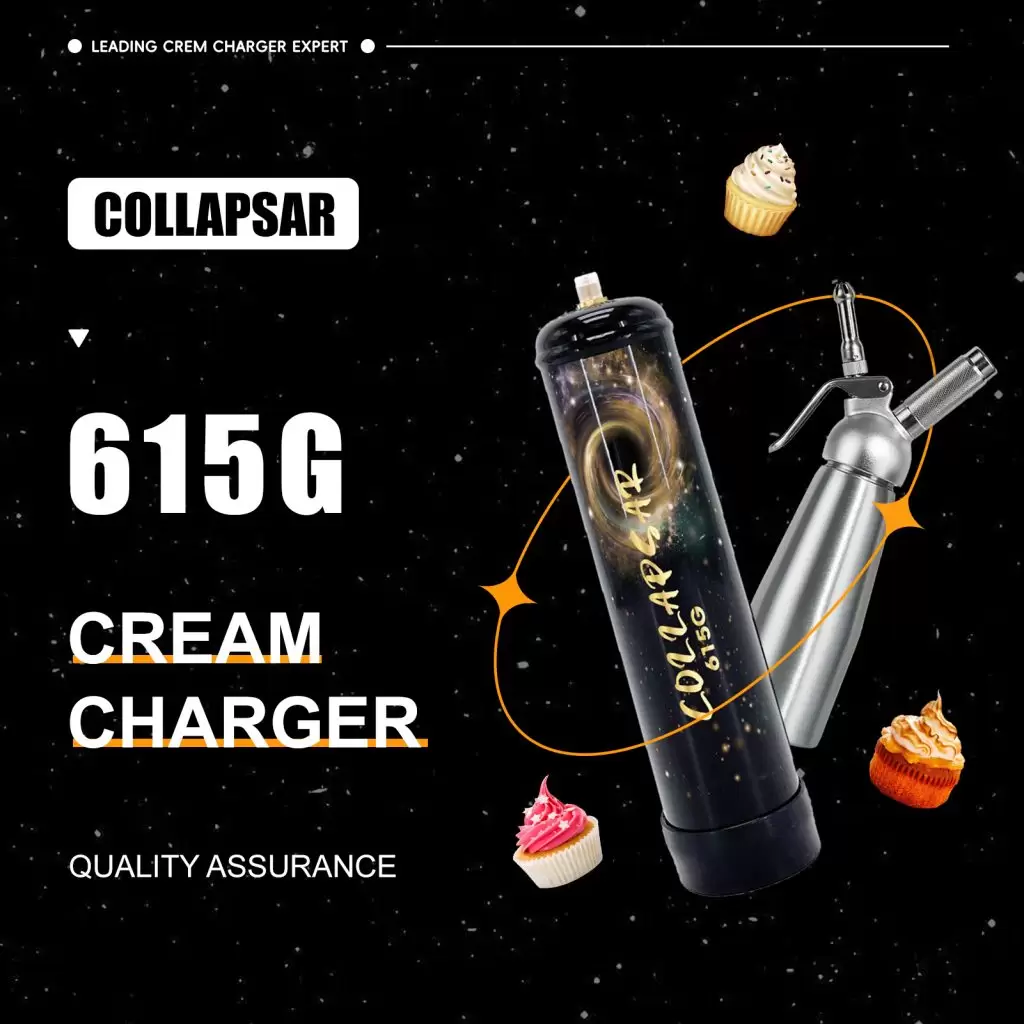
| Collapsar 1L 615G | 615 grams | Medium-volume use | Versatile application |
| Collapsar 2.2L 1364G | 1364 grams | Balanced needs | Optimal portability |
Exploring Tanks, Chargers, and Cream Dispensers
Our comprehensive product line addresses diverse operational requirements. Each system component works seamlessly together.
The right combination ensures reliable performance for your specific beverage content needs. Proper maintenance preserves this synergy.
Wholesale Options and Superior Product Performance
COLLAPSAR offers competitive wholesale partnerships for commercial operators. These programs provide access to premium products at exceptional value.
Regular maintenance of critical parts, including sealing rings, maximizes your system’s potential. This combination delivers an outstanding experience.
Conclusion
The longevity of your dispensing system depends on regular attention to sealing integrity. Consistent inspection and maintenance of each o-ring prevents costly repairs and ensures reliable performance.
This maintenance process, while straightforward, demands precision and quality components. Proper care directly impacts product quality, maintaining texture and purity. Even premium systems require this diligent approach.
Establish routine schedules based on usage intensity. For optimal results with COLLAPSAR Gas products, invest in quality replacement parts and follow manufacturer guidelines. This commitment to maintenance ensures exceptional experiences in every application.
FAQ
How often should I check the o-rings in my dispenser?
Regular inspection is key to preventing problems. Check the seal during routine cleaning or if you notice a change in system performance. Look for signs of wear, cracks, or flat spots to maintain optimal flow and avoid beverage leaks.
What is the best way to remove a damaged ring from the tool?
Use a plastic pick or a dedicated o-ring removal tool to gently pry the old ring out. Avoid using sharp metal objects that can scratch the groove and compromise the new seal. A careful process ensures the parts are ready for a fresh installation.
Why is lubrication important when installing a new ring?
Proper lubrication reduces friction, allowing the seal to seat correctly without twisting or tearing. It also helps create a tight barrier against leaks. Use a food-grade lubricant for beverage systems to ensure safety and quality performance.
What should I do if my dispenser still leaks after replacing the o-ring?
First, check that the new seal is the correct size and is seated properly in its groove. Ensure all parts are clean and free of debris. If leaks persist, inspect the dispenser body for cracks or damage that might be affecting the overall system.
How do COLLARSAR gas products improve my experience?
COLLARSAR provides 100% food-grade nitrous oxide, ensuring purity and safety for your beverages. Their high-quality tanks, chargers, and cream dispensers are designed for reliability and superior performance, enhancing the entire dispensing process.