
Handling nitrous oxide requires a deep understanding of its properties and applications. Professionals in culinary and dental fields rely on this gas for consistent, high-quality results. Proper knowledge is the foundation for preventing accidents and ensuring optimal performance.
COLLAPSAR Gas is a leading provider of 100% food-grade nitrous oxide tanks and cream dispensers. Our commitment to unparalleled quality standards ensures that practitioners have access to the purest products. This guide draws from decades of research to outline essential protocols.
Establishing foundational knowledge is critical for anyone working with compressed gas cylinders. This includes proper handling, storage, and emergency response measures. Following these best practices minimizes risks and maximizes the benefits of this versatile technology.
Key Takeaways
- Understanding nitrous oxide properties is essential for safe handling.
- Proper protocols prevent misuse in both culinary and dental settings.
- Equipment maintenance and storage are critical safety components.
- Distinguish between food-grade and medical-grade nitrous oxide applications.
- COLLAPSAR Gas provides premium, high-purity products for confident use.
- Implementing these practices ensures compliance with industry standards.
Introduction to Nitrous Oxide in Dental Sedation
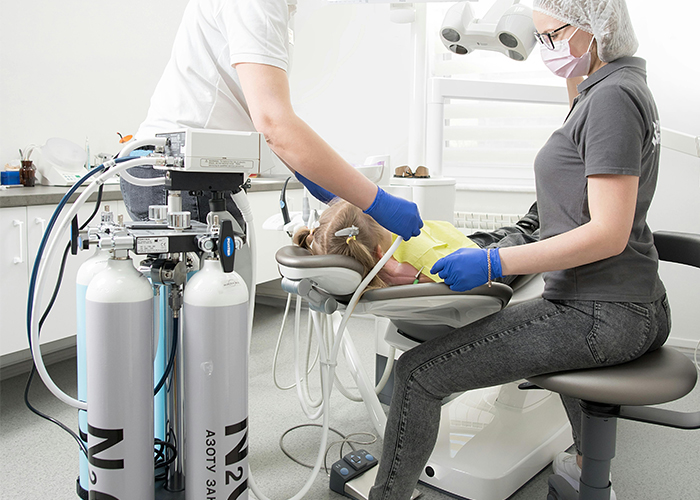
Nitrous oxide stands as a cornerstone in dental practice for its effective and gentle anxiolytic properties. This gas, often called “laughing gas,” helps patients relax while remaining fully conscious. It significantly improves access to dental care for those who might otherwise avoid treatment.
Understanding the Role of Nitrous Oxide in Patient Care
The role of this sedation method extends far beyond simple relaxation. It offers a controllable and reversible experience. Patients can respond to verbal cues throughout their procedure, which is vital for cooperation.
Physiologically, nitrous oxide affects the central nervous system. It produces feelings of mild euphoria and reduces pain perception. Understanding this mechanism is fundamental for achieving optimal patient outcomes.
Purpose and Importance of Safe Use Training
Formalized instruction standardizes practices across different dental care settings. It equips practitioners to assess patient suitability and recognize contraindications. This knowledge is crucial for monitoring vital signs effectively.
Research shows that proper preparation in nitrous oxide sedation improves patient cooperation over time. This is especially true for young children and individuals with special needs. Comprehensive programs also cover behavior management and emergency protocols.
Nitrous Oxide: Historical Background and Clinical Applications
The journey of nitrous oxide from laboratory curiosity to dental essential spans centuries of discovery. This remarkable gas transitioned through various medical applications before finding its permanent home in modern dentistry.
Dental professionals first recognized the anesthetic properties of this compound during the 19th century. Early adoption revolutionized pain management, making previously unbearable procedures tolerable for patients. Initial applications faced challenges with inconsistent delivery methods.
The Evolution of Nitrous Oxide in Dentistry
Technological advances and clinical research established standardized protocols over time. Equipment refinement and safety feature development created the reliable systems we know today. This evolution reflects broader progress in anesthesiology and patient care.
A significant milestone occurred in September 2002 when four French dental faculties collaborated. They established the first formal conscious sedation training program. This initiative standardized education across European dental practices.
Modern clinical applications demonstrate remarkable versatility. The gas now supports complex restorative work, oral surgery, and pediatric dentistry. Decades of documented evidence confirm its reliability when properly administered.
| Time Period | Development | Impact on Dentistry |
|---|---|---|
| 19th Century | Initial discovery of anesthetic properties | Revolutionized pain management |
| Early 20th Century | Equipment standardization | Improved dosing accuracy |
| 2002 | Formal training establishment | Standardized sedation protocols |
| Present Day | Regulatory framework evolution | Enhanced patient safety standards |
Regulatory frameworks continue evolving to ensure proper administration. This historical progression underscores the importance of understanding this compound’s development. The continuous refinement of methodology benefits both practitioners and patients alike.
Quality and Safety with COLLAPSAR Gas Products
COLLAPSAR Gas builds its reputation on a foundation of uncompromising purity and robust product design. Their whipped cream chargers and dispensers are engineered for professionals who demand consistency.
Every item in their lineup meets rigorous industry standards. This commitment ensures reliable performance in both high-volume kitchens and smaller establishments.
Overview of COLLAPSAR Cream Chargers and Dispensers
The COLLAPSAR product range is designed to suit various operational scales. Each model offers distinct advantages for different workflow requirements.
| Model | Capacity | Ideal Application |
|---|---|---|
| Collapsar 3.3L 2000G | 2000 grams | High-volume culinary operations |
| Collapsar 2.2L 1364G | 1364 grams | Versatile mid-scale establishments |
| Collapsar 1L 615G | 615 grams | Compact spaces and smaller cafes |
This selection allows professionals to choose the perfect fit. It optimizes efficiency without compromising on output quality.
Ensuring Purity with 100% Food Grade Nitrous Oxide
Purity is the non-negotiable core of every COLLAPSAR product. They supply 100% food grade nitrous oxide that undergoes strict quality checks.
This superior gas formulation processes cream without any impurities. It eliminates unwanted odors and off-tastes for a more delicate final product.
Integrated safety features reflect industry best practices. These mechanisms minimize risks associated with handling compressed gas cylinders.
COLLAPSAR’s competitive pricing provides exceptional value. It makes professional-grade nitrous oxide accessible for all levels of work.
Safe Use Training for N2O: Core Principles and Guidelines
Effective nitrous oxide administration depends on structured learning pathways that develop practitioner competency through progressive experience. These educational frameworks establish clear benchmarks for skill acquisition.
Comprehensive programs typically span one year, blending theoretical instruction with clinical application. This balanced approach ensures dentists master both knowledge and practical skills.
Key Components of Effective Training Programs
The French program demonstrated optimal structure with four seminars and extended clinical apprenticeships. Participants progressed through observation, assistance, and supervised administration.
This graduated responsibility model allowed 45 practitioners to conduct 826 sedation sessions successfully. Newly trained dentists achieved 89.6% treatment completion rates.
Educational content must cover pharmacological properties, patient assessment, and emergency protocols. Behavior management techniques complement the pharmacological approach.
Continuous learning ensures practitioners stay current with evolving guidelines and technological advances. This commitment to ongoing education maintains high standards of patient care.

Equipment Setup and Delivery System Safety Features
Modern dental sedation relies on sophisticated equipment with multiple safety redundancies. These systems incorporate engineering solutions that protect patients during administration. Understanding the configuration options is essential for proper clinical application.
Dental practices typically choose between portable yoke-mounted tanks and fixed manifold systems. Portable units offer mobility between operatories. Centralized manifold configurations serve multiple treatment rooms from one gas source.
Understanding Gas Tanks, Yoke Systems, and Manifolds
The yoke system utilizes a pin-index mechanism that prevents incorrect tank connections. This physical barrier ensures proper gas identification. Manifold systems maintain consistent pressure and flow rates across connected points.
Gas delivery is limited to maximum 70% nitrous oxide concentration. Systems maintain at least 30% oxygen levels. This ensures patients receive more oxygen than ambient room air.
Exploring Audio/Visual Alarms, Oxygen Fail-Safe, and Emergency Inlets
Audio and visual alarms provide immediate notification of pressure abnormalities. The oxygen fail-safe system represents the most critical protection feature. It automatically shuts off nitrous oxide when oxygen delivery is compromised.
Emergency air inlets activate when the fail-safe engages. Patients continue breathing room air through the mask. The oxygen flush button delivers 100% oxygen at high flow rates for emergencies.
Maintaining Equipment for Reliable Performance
Regular inspection schedules ensure all safety features function properly. The reservoir bag helps monitor patient breathing patterns. Color coding provides visual confirmation of gas identity across components.
Practitioners should immediately remove the patient’s mask if any malfunction is suspected. This prioritizes patient oxygenation above all other considerations. Proper maintenance prevents most equipment failures before they occur.
Administration Techniques for Cream Chargers and Dispensers
Mastering the art of whipped cream creation begins with precise nitrous oxide administration techniques. These methods ensure consistent quality across culinary applications. Proper handling transforms simple ingredients into professional-grade results.
Equipment preparation forms the foundation of successful cream processing. Dispensers require thorough cleaning and correct assembly before charging. Selecting appropriate tips determines the final texture and dispensing pattern.
Methods to Process and Dispense Whipped Cream
Charging procedures follow specific volume guidelines. Typically, one charger processes half-pint cream quantities. Vigorous shaking distributes gas evenly throughout the liquid medium.
Resting charged dispensers in refrigeration optimizes gas dissolution. This step enhances cream stability and volume. Holding dispensers at 45-degree angles during output ensures consistent flow.
Techniques for Consistent Nitrous Oxide Delivery
Understanding variable relationships is crucial for quality output. Gas pressure, liquid temperature, and fat content significantly impact final texture. COLLAPSAR’s formulation eliminates impurities that cause inconsistent results.
Professional techniques adjust charging quantities for different textures. Litter applications require fewer charges and gentle dispensing. Firmer textures benefit from additional gas incorporation.
Safety protocols include inspecting chargers for damage before handling. Proper threading prevents gas leakage during administration. Equipment maintenance ensures reliable performance over time.
Developing Best Practices in Dental Sedation Procedures
The integration of conscious sedation into routine dental procedures has transformed patient experiences and treatment outcomes. This approach combines pharmacological management with strategic clinical planning.
Dental professionals now view sedation as an adjunct to quality care rather than a standalone solution. The ultimate goal remains efficient, comfortable treatment completion for both parties.
Integrating Sedation with Restorative and Surgical Acts
Clinical evidence shows experienced practitioners perform more complex restorative work under sedation. This includes root treatments and extensive prosthetic procedures. Newly trained dentists typically handle simpler cases initially.
Treatment planning must consider procedure complexity and anticipated duration. Patient anxiety levels and practitioner competence also influence sedation decisions. This balanced approach ensures optimal outcomes.
| Procedure Type | Expert Practitioner Frequency | New Practitioner Frequency | Sedation Benefit Level |
|---|---|---|---|
| Oral Surgery (Extractions) | High | Medium | Very High |
| Root Treatment | High | Low | High |
| Complex Restorations | High | Medium | High |
| Oral Hygiene Procedures | Medium | High | Medium |
Restorative procedures benefit significantly from reduced patient movement and gag reflexes. Anxiety-related interruptions decrease, allowing more efficient work. Even lengthy appointments become tolerable for anxious patients.
Team coordination is essential during sedated procedures. Clear roles for monitoring, equipment management, and clinical assistance maintain safety. This comprehensive approach represents modern best practices in dental sedation.
Step-by-Step Guide to Setting Up a Training Session
Clinical training for conscious sedation follows a deliberate progression from observation to independent practice under guidance. This systematic approach ensures practitioners develop competence while maintaining patient safety throughout the learning process.
Preparation and Safety Checks Prior to Training
Comprehensive preparation begins with equipment verification and gas supply confirmation. All delivery system safety features undergo systematic testing before each session.
Emergency equipment must be readily accessible. Proper ventilation in training spaces is confirmed. Participants review emergency response protocols together.
Case selection provides appropriate learning experiences. Training starts with straightforward anxious adult patients. It progresses to more challenging populations over time.
Practical Demonstrations and Hands-on Practice
The observe-assist-perform model structures the learning progression. Trainees first watch complete sedation sessions conducted by experienced practitioners.
Systematic monitoring protocols assess patient status at critical time points. These include initial contact, mask placement, and during dental treatment.
Hands-on practice develops tactile familiarity with equipment operation. Trainees receive immediate feedback on their performance and decision-making.
| Monitoring Period | Time Point | Patient Assessment Focus |
|---|---|---|
| Initial Contact | Ti | Baseline behavior and anxiety levels |
| Mask Placement | T0 | Comfort with equipment application |
| Post-Induction | T1 (3+ minutes) | Sedation effectiveness before treatment |
| Local Anesthesia | T2 | Response to painful stimulus |
| Active Treatment | T3 | Cooperation during dental work |
Documentation during sessions serves dual purposes. It records patient care details for clinical records. It also provides learning data for competency development tracking.
Managing and Mitigating Adverse Effects
The ability to swiftly identify and address adverse effects distinguishes expert practitioners in nitrous oxide sedation. Research indicates trainees experience nearly three times more minor complications than experienced professionals. This highlights the importance of comprehensive management protocols.
Recognizing Common Respiratory and Vaso-Vagal Events
Respiratory issues during inhalation sedation include hyperventilation from anxiety and hypoventilation from excessive depth. Oxygen desaturation requires immediate intervention to restore proper breathing patterns.
Vaso-vagal events present with sweating, pallor, and potential fainting. These typically stem from anxiety responses rather than direct drug effects. Psychological management complements pharmacological approaches.
Response Strategies to Ensure Patient Safety
Immediate reduction or cessation of gas flow is the first response to adverse effects. Administration of 100% oxygen using the flush button follows. Removing the mask allows room air breathing if needed.
Behavioral events like euphoria or agitation require verbal redirection and reassurance. Continuous monitoring throughout sedation services prevents escalation. Proper positioning based on symptoms maintains patient safety.
| Adverse Effect Type | Trainee Frequency | Expert Frequency | High-Risk Populations |
|---|---|---|---|
| Respiratory Issues | Moderate | Low | Anxious patients |
| Vaso-Vagal Events | High | Low | Intellectual disability |
| Digestive Problems | High | Low | GERD patients |
| Behavioral Events | Moderate | Low | Pediatric patients |
Proactive strategies include thorough patient assessment and gradual titration. Maintaining verbal contact and simple relaxation techniques reduce anxiety-related effects. This comprehensive approach ensures optimal patient outcomes.
Enhancing Dental Sedation Skills through Continuous Education
Dental professionals must embrace lifelong education to master evolving sedation methodologies. The field of dentistry advances rapidly, requiring ongoing skill development.
Leveraging Online Courses and Professional Workshops
Modern education options provide flexible learning pathways. Mastery Academy offers comprehensive programs with 2 CME credits.
Their curriculum covers pharmacological impacts and advanced administration techniques. Experienced educators like Prof. Dr. Philip Souhaid guide participants.
Workshops deliver hands-on experience with peer interaction. These sessions build practical competency beyond online learning.
Staying Updated with Regulatory and Technological Advances
Regulatory frameworks change frequently across jurisdictions. Continuous education ensures compliance with evolving standards.
Technological innovations in delivery systems require ongoing learning. New monitoring equipment enhances both safety and efficacy.
Recent survey data informs best practices for patient selection. Research publications guide optimal dosing strategies.
| Education Format | Key Benefits | Ideal For |
|---|---|---|
| Online Courses | Flexible scheduling, comprehensive content | Busy practitioners |
| Professional Workshops | Hands-on practice, direct mentorship | Skill refinement |
| Research Updates | Evidence-based guidance, latest findings | Advanced practitioners |
This commitment to learning demonstrates professional excellence. It builds patient confidence in sedation services.
Conclusion
Proper nitrous oxide administration transforms dental care by overcoming treatment barriers. Research confirms trained practitioners achieve excellent outcomes with conscious sedation techniques. This expands access for patients with dental anxiety or special needs.
Comprehensive guidelines establish systematic frameworks for risk management. They cover patient assessment, equipment setup, and monitoring protocols. COLLAPSAR Gas supports these practices with premium products featuring 100% food-grade purity.
Their 3.3L 2000G, 1L 615G, and 2.2L 1364G models deliver consistent results. Effective procedures depend on quality equipment and ongoing education. This combination ensures optimal patient health outcomes.
The future demands maintaining rigorous standards across both dental and culinary applications. Continuous refinement of best practices remains essential for professional excellence.
FAQ
What is the primary purpose of nitrous oxide in dental sedation?
The main goal of nitrous oxide administration is to reduce patient anxiety and discomfort during dental procedures. Often called “laughing gas,” it helps create a relaxed state, making treatment more comfortable. This sedation technique is widely used because it works quickly and wears off rapidly.
Why is specific training for nitrous oxide administration so important?
Proper education ensures that dental professionals can manage the delivery system correctly and monitor patients effectively. Training covers critical safety features, like oxygen fail-safe mechanisms, and teaches how to respond to potential adverse effects. This knowledge is vital for providing high-quality patient care and minimizing risk.
How do I ensure the purity of the nitrous oxide I use?
Always source your gas from reputable suppliers like COLLAPSAR, which provides 100% food-grade nitrous oxide. Using high-purity products is essential for patient safety and the consistency of the sedation experience. Regularly checking your supply and equipment for integrity is a key best practice.
What are the essential safety features of a modern nitrous oxide delivery system?
Modern systems include several crucial safety components. These often comprise audio and visual alarms, an oxygen fail-safe that prevents administration without adequate oxygen, and emergency air inlets. Understanding and routinely checking these features is a fundamental part of equipment management.
What should be included in a step-by-step guide for a training session?
A comprehensive session should start with preparation and safety checks of all equipment. This is followed by practical demonstrations of techniques for consistent delivery and hands-on practice for participants. The guide must also cover patient monitoring and response strategies for managing any side effects.
How can dental professionals stay current with best practices in sedation?
Continuous education is key. Dentists can enhance their skills by participating in online courses, attending professional workshops, and staying informed about regulatory changes and technological advances in inhalation sedation. This commitment to learning ensures the highest standards of patient care.