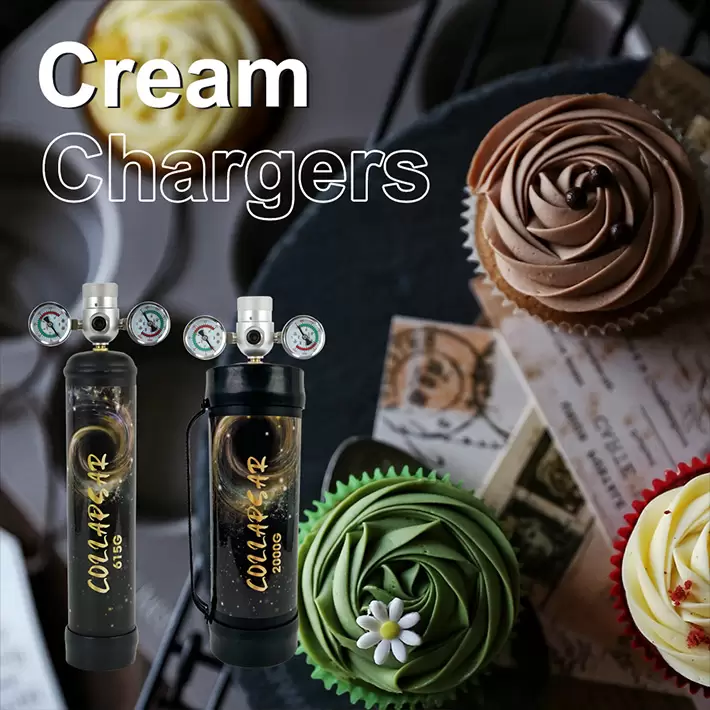
Proper care for your culinary tools ensures both safety and quality results. For those who enjoy creating perfect whipped toppings, understanding the correct handling of pressurized gas containers is crucial. These small metal canisters hold nitrous oxide, which is essential for achieving that light, airy texture.
COLLAPSAR Gas takes pride in offering 100% food-grade nitrous oxide products. This commitment to purity means your cream creations maintain the highest quality. Following correct procedures protects your equipment and guarantees consistent performance every time.
Maintaining a safe kitchen environment involves more than just good recipes. Proper storage practices for these items prevent potential hazards. This guide provides clear, professional advice for both home users and professional chefs.
Key Takeaways
- Use only 100% food-grade nitrous oxide for culinary applications
- Maintain proper environmental conditions for container integrity
- Handle pressurized canisters with care to ensure personal safety
- Source products from reputable suppliers like COLLAPSAR Gas
- Follow manufacturer guidelines for optimal performance
- Regularly inspect containers for any signs of damage
- Store away from heat sources and direct sunlight
Understanding Whipped Cream Chargers and Nitrous Oxide
The secret to light, airy whipped cream lies in a pressurized canister known as a cream charger. These small metal cartridges are essential tools in both professional and home kitchens. They enable the rapid creation of stable, delicious toppings.
Understanding their function and contents is the first step toward mastery.
What Are Cream Chargers and Their Role in Culinary Applications?
A standard cream charger is a single-use metal cartridge. It contains approximately 8.2 grams of nitrous oxide (N₂O). This gas is the active ingredient responsible for whipping.
When screwed into a dispenser, the charger releases its contents. The gas dissolves into the liquid cream, creating volume and texture. This process is fast and consistent.
Brands like COLLAPSAR focus on unparalleled quality. Their superior gas ensures processed cream is free from impurities. The result is a more pure and delicate taste.
The Science Behind Nitrous Oxide in Whipping Cream
The key is how nitrous oxide interacts with cream fat. N₂O dissolves readily into the fatty molecules. Under pressure inside the dispenser, it forms millions of tiny bubbles.
This creates a stable foam structure that holds its shape. The internal pressure of a sealed charger is high. Respecting this is fundamental for safety and performance.
Proper storage conditions ensure the gas remains effective. This guarantees the charger works correctly every time you use it.
The Importance of Proper Storage for Cream Chargers
These small metal cartridges are powerful tools. Their performance is directly tied to the conditions in which they are kept. Correct handling protects both your well-being and the quality of your culinary creations.
Focusing on two key areas ensures optimal results every time.
Safety Hazards Linked to Improper Storage
An incorrect environment poses a real risk. Extreme heat or cold can alter the internal pressure inside the cartridge.
This fluctuation may cause potential leaks. In severe cases, the metal casing could even deform. Such damage creates a significant safety concern.
Any dents or deep scratches on a charger also compromise its integrity. A compromised unit becomes unreliable for use.
Maintaining Product Integrity and Performance
Moisture is a silent threat to the steel casing. Storing chargers in a damp area invites rust.
This corrosion weakens the metal over time. A rusted charger may not seal properly in your dispenser.
The result affects your final product. Compromised gas leads to weak or uneven whipped cream foam.
By prioritizing these factors, you protect your investment. Your tools remain ready for perfect results.
Ideal Storage Conditions: Temperature, Ventilation, and Environment
Optimal preservation of pressurized canisters hinges on controlling a few key environmental factors. Proper conditions ensure both user safety and consistent culinary performance.
This involves managing two critical elements: ambient temperature and air quality.
Recommended Temperature Ranges for Safe Storage
The surrounding heat level is a primary concern. You must maintain a stable climate.
The ideal range for these items is between 10°C and 25°C (50°F to 77°F). This stability keeps the internal pressure safe and predictable.
Exposure to temperatures above 50°C (122°F) is hazardous. It can cause the pressure inside a charger to spike beyond its design limits.
Always keep canisters away from heat sources like ovens or stoves. Also, avoid direct sunlight, as sunlight through a window can create hot spots.
Ensuring Adequate Ventilation and Dry Conditions
Good airflow is non-negotiable. A well-ventilated place prevents any potential gas from accumulating.
Equally important is selecting a dry place. Moisture is the enemy of the steel casing, leading to rust that weakens the metal.
For products like the Collapsar 3.3L 2000G, these guidelines are essential. A cool, dry, and airy environment protects your investment.
Following these practices guarantees your cream chargers remain intact. Your cream will whip perfectly every time.
How to Store Whipped Cream Chargers Safely: Temperature, Ventilation
For enthusiasts crafting desserts at home, establishing a dedicated storage zone is a key step. This ensures your tools remain reliable and your ingredients effective.
The right spot protects both your safety and the quality of your creations.
Home Kitchen Best Practices
A stable climate is essential. Keep your cream chargers in a cupboard that maintains a consistent room temperature.
This range is typically between 15°C and 25°C (59°F to 77°F). For products like the Collapsar 1L 615G, this stability guarantees the gas inside performs as intended.
Storing multiple boxes? Ensure they are all kept under these conditions. This prevents the canisters from experiencing stressful temperature swings.
| Storage Location | Assessment | Reason |
|---|---|---|
| Interior Pantry Cupboard | Good | Stable, dark, and dry environment. |
| Countertop near Window | Bad | Exposed to sunlight and variable temperatures. |
| Drawer away from Appliances | Good | Protected from ambient heat and light. |
| Shelving above the Oven | Bad | Directly exposed to rising heat during cooking. |
Avoiding Direct Sunlight and Heat Sources
Ambient heat is a primary concern. Never place your chargers near ovens, stoves, or radiators.
These heat sources can cause dangerous pressure increases inside the metal cartridge.
Similarly, direct sunlight through a window can create hot spots. Always select a shaded area in your kitchen.
A well-organized kitchen prioritizes the safety and integrity of all its components, not just the perishables.
Following these best practices means your cream will whip perfectly every time. Your storage choices directly impact your dessert’s success.
Handling & Inspection Before Use
A final, crucial step separates routine use from professional-grade safety: a pre-use inspection. This practice is your last line of defense, ensuring the integrity of your equipment immediately before application.
Steps to Visually Inspect Chargers for Dents and Rust
Examine each cartridge carefully before loading it. Look for any dents, deep scratches, or signs of corrosion on the metal surface.
These flaws can compromise the structural integrity of the pressurized casing. A rusted unit is a clear sign of moisture damage and should never be used.
This quick visual check is fundamental for safety. It prevents a compromised charger from failing during the whipping process.
Safe Handling Practices to Prevent Damage
Safe handling means treating these canisters with care. Never drop or forcefully strike them, as impact can weaken the metal.
Always use a compatible dispenser designed for your cream chargers. Attempting to puncture a cartridge manually poses a severe risk of injury.
Proper storage and careful handling work together. They minimize the chance of leaks when you prepare your cream.
If you find any used chargers that appear damaged, set them aside. Dispose of them properly instead of risking their use.
Storing Chargers for Professional Environments
High-volume dessert production relies on systems that guarantee both safety and speed. The protocols for preserving pressurized canisters must be robust and scalable.
Bulk Storage Considerations in Commercial Kitchens
Operational scale demands dedicated gas storage rooms. These secure areas keep large quantities of cream chargers isolated from the main kitchen workflow.
Organized inventory management is non-negotiable. A clear system prevents accidental damage and ensures older stock is used first.
Keeping these items far from heat sources and other chemicals is a primary safety rule. Proper ventilation in the storage room mitigates any risk of accumulation.
Dedicated Storage Solutions for High-Volume Use
Temperature-controlled cabinets are an excellent investment. They maintain a consistent room temperature, protecting the integrity of the gas inside.
For products like the Collapsar 2.2L 1364G, this stability is key. It ensures every batch of cream whips to perfection.
Lockable, well-organized units allow staff to locate chargers quickly. This efficiency reduces handling time and supports compliance with local safety regulations.
Guidelines on Storing with Original Packaging and Bulk Storage
Organizational systems for culinary supplies extend beyond mere tidiness to impact operational efficiency directly. A structured approach to your cartridge inventory prevents waste and ensures consistent quality in every batch.
This method involves two core principles: utilizing the manufacturer’s supplied containers and implementing a logical rotation system.
The Benefits of Using Original Packaging
Keeping your cream chargers in their original boxes provides crucial structural support. The cardboard design prevents individual units from rolling and colliding.
This minimizes the risk of dents or scratches on the metal casing. When you purchase through COLLAPSAR Wholesale, retaining this packaging is a recommended best practice.
It organizes your stock and shields it from minor impacts during handling. An upright, stable position within the box is ideal for long-term preservation.
Managing Inventory and Implementing FIFO
A “first in, first out” (FIFO) system is essential for maintaining product freshness. Always use your oldest stock first to ensure optimal performance over time.
The original packaging makes tracking the shelf life straightforward. You can easily see which boxes were received earliest.
This organized view of your supply allows for timely reordering from the manufacturer. You avoid last-minute shortages that could disrupt service.
| Storage Approach | Protection Level | Recommended For |
|---|---|---|
| Original Manufacturer Box | High | All users, especially bulk purchases |
| Designated Storage Bin | Medium | High-volume kitchens with controlled access |
| Loose in a Drawer | Low | Not recommended due to risk of damage |
Proper inventory management is a cornerstone of professional kitchen operations. It guarantees you always have high-quality chargers ready for your dessert recipes.
Following these guidelines protects your investment and supports a smooth, efficient workflow. Your cream creations will maintain their intended quality batch after batch.
Dealing with Damaged or Rusted Chargers
Visual inspection protocols are essential for identifying cartridges that have reached their end of life. Even robust equipment can degrade over time. Pressurized gas containers require particular attention to maintain a secure workspace.
Identifying Signs of Wear and Compromise
Look for visible defects on the metal surface. Deep scratches, significant dents, or any form of corrosion indicate potential damage. A rusted charger has lost structural integrity and poses a risk.
Never use a cartridge with these flaws. The internal pressure could cause failure during application. Immediately segregate any suspect cream chargers from your active inventory.
Proper Disposal and Recycling Practices
Empty used chargers must be handled responsibly. They are made of steel and qualify for metal recycling. Contact local authorities to find designated recycling facilities.
Never attempt to refill or puncture a depleted cartridge. This action is extremely dangerous and can lead to severe injury. Proper safety protocols demand correct disposal.
By following these steps, you maintain a hazard-free storage area. Your cream preparations remain consistent and safe for everyone.
Best Practices for Long-Term Storage and Shelf Life
Long-term reliability of your culinary gas cartridges depends on systematic care and routine checks. A disciplined approach preserves their effectiveness for future dessert creations.
Maintaining Product Quality Over Time
Keep your supply in a cool, dry place. This simple step prevents gas degradation and casing corrosion.
Most manufacturers state unopened units remain viable for three to five years. Optimal conditions support this extended shelf life.
Regular Inspection and Rotation Strategies
Examine your stock every few months. Look for any signs of damage or rust.
Implement a first-in, first-out (FIFO) system. This ensures older cartridges are used before newer ones.
Safe handling during rotation prevents accidental dents. Always move boxes carefully.
Maintain a purchase log. Tracking dates helps manage shelf life accurately.
| Inspection Interval | Recommended Action | Primary Benefit |
|---|---|---|
| Every 3 months | Visual check for dents/rust | Early damage detection |
| Upon new shipment | Log purchase date | Accurate inventory tracking |
| Before each use | Quick scan of the charger | Final safety verification |
Remember to collect empty canisters for metal recycling. This responsible practice completes the lifecycle management.
Following these strategies ensures your cream chargers perform reliably every time you prepare cream. Proper storage and rotation guarantee quality over time.
Conclusion
Consistent culinary excellence is built upon a foundation of meticulous preparation and care. The performance of your whipped desserts relies directly on the integrity of your tools.
Maintaining your cream chargers correctly preserves the quality of the nitrous oxide gas inside. This ensures your final product is perfect every use.
Always keep these items in stable conditions, away from direct heat. This prevents dangerous pressure changes and upholds essential safety in your kitchen.
Following these principles guarantees reliable performance and stable gas for any recipe. Apply this knowledge to achieve professional results, whether at home or in a commercial setting.
FAQ
What exactly is inside a whipped cream charger?
A whipped cream charger contains nitrous oxide (N₂O), a food-grade gas. When released into a dispenser, the gas dissolves into the cream. Upon exiting through the nozzle, the gas expands rapidly, creating the light, airy texture we know as whipped cream.
Why is storage temperature so critical for these small cylinders?
Temperature directly affects the internal pressure of the gas. Storing in a hot place, like near an oven, increases pressure and creates a significant safety risk. Cool, stable room temperature prevents this pressure buildup and maintains the performance and shelf life of the product.
Can I leave a box of chargers in my car?
No. A parked car can become an oven, exposing chargers to extreme heat. This is one of the most dangerous heat sources. Always transport chargers directly to a proper storage area in your home or commercial kitchen to prevent damage.
What should I look for during a visual inspection?
Before use, check each unit for deep dents, rust, or corrosion. Even minor damage can weaken the metal integrity. Never use a charger that appears compromised. Proper handling from storage to dispenser helps avoid these issues.
Is the original cardboard box important for storage?
Yes. The original packaging protects individual chargers from knocking together, which can cause dents. The box also shields them from direct sunlight. For bulk storage, keep boxes in a dry place and implement a FIFO system to use older inventory first.
How should I dispose of a damaged or used charger?
For used or damaged chargers, follow local recycling guidelines. Many areas accept empty steel chargers in metal recycling streams. Ensure the charger is completely empty before disposal. Never attempt to pierce or refill a used unit.
What is the typical shelf life for an unopened box?
When stored under ideal conditions—cool, dry, and away from heat sources—cream chargers have a long shelf life, often several years. Manufacturer guidelines on the packaging provide the best information. Regular inspection of your stock ensures quality over time.