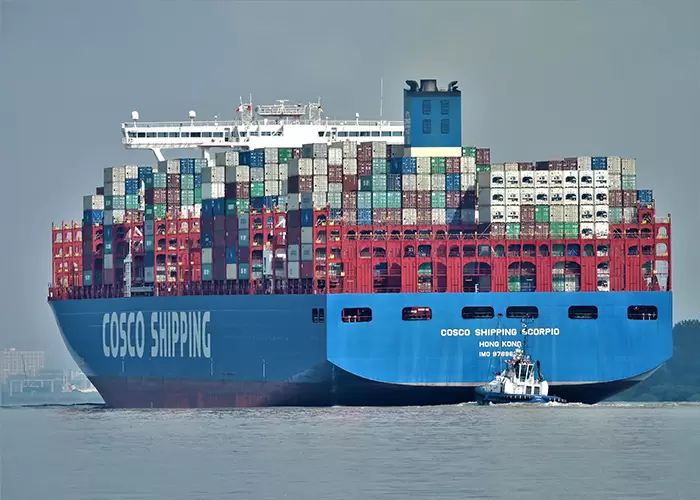
Moving pressurized gas products across borders presents a unique set of challenges. For business owners, this process involves navigating a maze of global trade regulations and safety standards.
The specific nature of nitrous oxide, contained within small metal canisters, creates distinct logistical hurdles. These obstacles make the global distribution of this culinary tool particularly demanding.
Companies like Alizee Gas Co., LTD, with over a decade of experience since 2010, have refined their supply chains to meet these strict international requirements. Understanding these complexities is the first step for any distributor entering this competitive market.
This guide explores the essential factors impacting the safe and legal movement of every product across borders.
Key Takeaways
- Global shipping involves complex trade regulations and strict safety protocols.
- Pressurized gas products, like nitrous oxide, face unique transport challenges.
- Navigating international logistics requires deep industry knowledge and expertise.
- Companies with extensive experience have refined their supply chains for compliance.
- Understanding these hurdles is crucial for any business entering the market.
- Safe and legal product movement depends on meeting all international standards.

Understanding the Global Demand and Shipment Challenges
The surge in molecular gastronomy has transformed nitrous oxide from a niche product into a high-demand culinary essential. This growth creates a complex web of logistical needs for distributors.
Meeting this demand requires a deep understanding of both market forces and physical supply chain constraints.
Market Trends and Seasonal Impact
Culinary professionals across the United States now rely on these tools. Their use in creating stable whipped cream and foams is standard.
The peak summer catering season, from June through August, places massive strain on the system. This seasonal spike often causes bottlenecks, delaying essential cream chargers.
Companies like Alizee Gas Co., LTD manage this high volume. Their facility in Linyi City, Shandong Province, is a key hub for the global market.
Key Logistics and Supply Chain Considerations
Distributors must anticipate these seasonal patterns. Consistent supply ensures every whipped cream application meets chef expectations year-round.
Managing the flow of these gas products requires sophisticated planning. International routes must align with local regulatory frameworks in each country.
The industry shift toward larger canisters also changes storage and transport strategies. Each individual cream charger now carries more nitrous oxide, affecting how logistics networks are designed.
Why Are International Shipments of Cream Chargers So Difficult?
The core obstacle in global logistics for culinary gas lies in its classification as a hazardous material. This status triggers a complex framework of international rules that every distributor must navigate.
Insights into Shipping Regulations and Hazmat Classification
Nitrous oxide, the gas inside every cream charger, is designated UN No. 1070. It falls under Class 2.2 for non-flammable, compressed gases. This classification sets strict criteria for handling and transport as dangerous goods.
In the United States, the Department of Transportation mandates clear hazard labels on all cylinders. Failure to comply with regulations from agencies like the FMCSA can lead to severe fines. These penalties protect public safety but add layers of complexity for the market.
Proper packaging is non-negotiable. The pressurized gas is sensitive to temperature shifts, especially during peak summer transit. Robust containers prevent leaks and ensure product integrity for whipped cream applications.
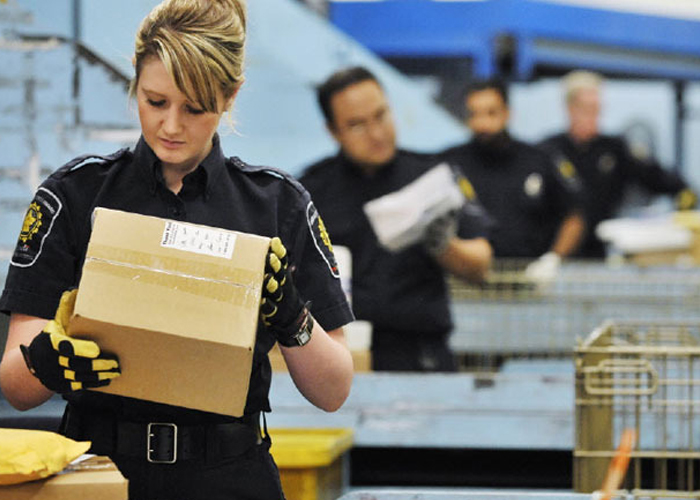
Accurate documentation is the final safeguard. It avoids the common pitfalls that delay cream chargers and cartridge shipments in customs. Regulatory compliance remains the most critical factor for successful cross-border movement of these essential culinary tools. Understanding these regulations is key to navigating the dangerous goods landscape.
Ensuring Purity: Food-Grade Nitrous Oxide and Product Quality
Beyond logistical hurdles, the success of any whipped cream application hinges on one critical factor: food-grade integrity. The gas inside every cartridge must meet the highest culinary standards.
Even minor impurities can damage the flavor and texture of the final product. This makes sourcing and quality control paramount for any supplier.
COLLAPSAR’s Commitment to 100% Food-Grade N2O
COLLAPSAR Gas builds its entire product line on a non-negotiable standard. We source only 99.9% pure food-grade nitrous oxide for our cream chargers.
This commitment ensures every batch meets strict safety and quality benchmarks. Purity is always the highest priority, from sourcing to sealing the cartridge.
Benefits of Purity and Superior Quality for Culinary Applications
Using superior food-grade nitrous oxide delivers clear advantages for chefs and home bakers. The results are consistently professional.
- Flawless Taste & Texture: Our gas processes cream without introducing metallic tastes or oily residues. The output from your whipped cream dispenser is pure and delicate.
- Maximum Yield: A single 8g cartridge efficiently transforms 0.5 liters of liquid cream into 2 liters of fluffy whipped cream in seconds.
- Odor-Free Processing: The cream is aerated without any foreign odors, preserving its natural flavor for high-end applications.
- Safe & Stable: Our metal canisters are engineered to withstand high pressure, ensuring product stability and safety during use.
This focus on purity guarantees that every culinary creation meets exacting standards. It turns a simple tool into a reliable partner for perfect results every time.
Navigating Regulatory Compliance and Documentation
Legal and safe transport of pressurized culinary ingredients demands more than just sturdy packaging. It requires perfect paperwork and a deep understanding of agency rules.
Mastering this process turns a complex hurdle into a competitive advantage for any business.
Understanding DOT Regulations and Hazmat Requirements
In the United States, the Department of Transportation (DOT) sets the primary rules. They classify nitrous oxide as a hazardous material for transport.
This mandates specific safety protocols. A Bill of Lading (BOL) is the mandatory contract between shipper and carrier.
Equally critical is the Safety Data Sheet (SDS). This document confirms the gas classification and outlines precise handling protocols for all cream chargers.

Essential Documentation for Domestic and International Shipments
Accurate paperwork is the key to preventing customs delays and ensuring on-time delivery. A complete document package typically includes:
- Certificate of Analysis: Proves the nitrous oxide purity for every batch, meeting food-grade standards.
- Commercial Invoice: Details the transaction for customs valuation and clearance of all products.
- Full Traceability Records: Provides a chain of custody for every cartridge, essential for audits and compliance.
For a distributor, this documentation ensures inventory arrives in time for peak seasons. It also protects against the financial impact of seized or returned shipments.
Enhancing Packaging, Handling, and Delivery Efficiency
Optimizing the supply chain for gas cartridges involves reinforcing packaging and anticipating peak periods. This focus on efficiency ensures every product arrives ready for use. It protects both the business investment and the end customer’s experience.
Reinforced Packaging and Labeling Best Practices
Durable materials are non-negotiable for transporting pressurized items. We utilize double-wall cartons with internal padding to shield each cream charger from impact.
This robust packaging maintains the structural integrity of the metal canisters. Clear, compliant labeling is equally vital for safety.
Labels provide crucial handling instructions for every logistics partner. They ensure proper care throughout the shipping journey.
Strategies to Mitigate Seasonal Delays and Protect Product Integrity
Seasonal demand spikes, like summer holidays, test any distributor‘s system. Proactive planning is the best defense against stockouts.
We advise placing inventory orders 2-4 weeks before the peak season begins. This lead time helps guarantee consistent delivery to your business.
Our team actively monitors each shipment’s status. We track environmental conditions to protect the nitrous oxide inside every cartridge.
A first-in, first-out inventory system is also implemented. It ensures the freshest cream chargers are always dispatched first.
This meticulous approach preserves the high pressure needed for perfect whipped cream. Every cream dispenser then performs reliably for the end customer.

Leveraging COLLAPSAR’s Competitive Edge in the US Market
For business owners, selecting the right supplier is a critical decision. It impacts both quality and profitability directly. COLLAPSAR Gas meets this need with a focused strategy for the United States market.
Our range of tank-based systems replaces smaller cartridges. This shift offers superior efficiency for any professional kitchen.
Overview of Product Offerings
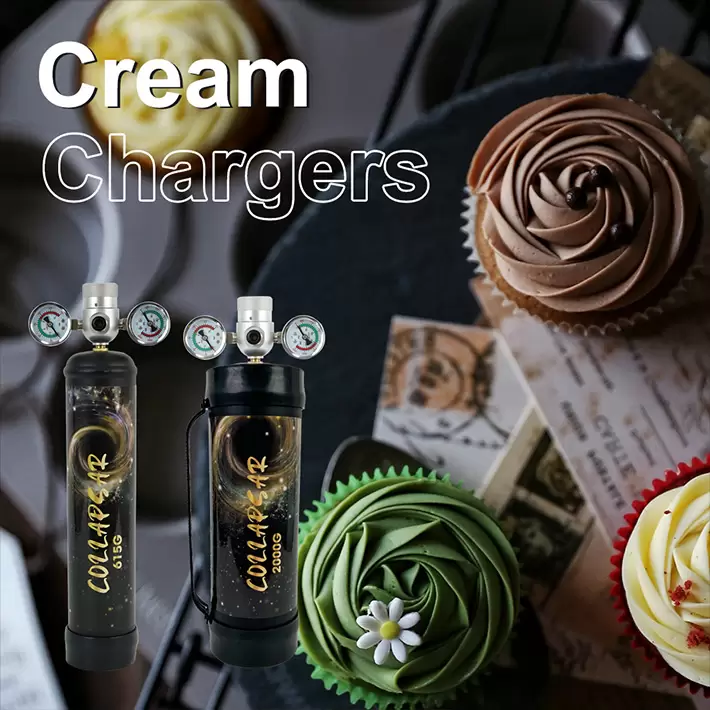
The Collapsar 3.3L 2000G tank serves the highest-volume users. Large catering companies and beverage chains benefit from its low cost-per-use.
Our 1L 615G and 2.2L 1364G tanks address specific operational needs. Even our 580g tank holds gas equal to 72 individual cream chargers.
This design drastically cuts handling time and waste. Each tank delivers consistent, high-purity nitrous oxide.
How Competitive Pricing and Superior Quality Benefit Business Owners
Our pricing structure allows businesses to maximize their margins. You can provide superior whipped cream to customers without raising costs.
We offer wholesale opportunities for those expanding their reach. Becoming a COLLAPSAR retailer builds a competitive advantage.
Choosing our tank systems reduces packaging waste from small cartridges. The product integrity ensures every batch of cream is perfect.
This commitment to quality makes our gas a reliable partner. Your business gains a tool for consistent whipped cream production every day.
Conclusion
Final success in the culinary gas market hinges on three pillars: regulatory compliance, product purity, and a reliable logistics partner. Mastering these areas ensures smooth operations and protects your business investment.
Business owners must prioritize safety and the highest quality nitrous oxide. This protects your reputation and guarantees perfect whipped cream for every customer.
COLLAPSAR remains your dedicated partner, providing superior cream chargers and tank systems. Explore our full range to find the ideal cream dispenser solution for your professional kitchen.
FAQ
What makes the logistics for cream chargers so complex globally?
Global logistics are complex due to strict dangerous goods regulations for pressurized nitrous oxide cartridges. Each country has unique rules for transporting gas, requiring specialized packaging, certified carriers, and extensive paperwork. Seasonal peak demand further strains supply chain efficiency.
How do hazmat classifications affect sending cream dispensers internationally?
Cream chargers are classified as hazardous materials (hazmat) because they contain compressed nitrous oxide. This classification mandates specific safety protocols, UN-certified packaging, proper labeling, and trained personnel for handling. Non-compliance can result in seized shipments and fines.
Why is 100% food-grade nitrous oxide purity critical for culinary use?
Absolute purity is essential for food safety and whipped cream quality. Only 100% food-grade nitrous oxide ensures no contaminants affect taste or safety. Brands like COLLAPSAR guarantee this high standard, protecting your business reputation and delivering perfect texture every time.
What documentation is needed for domestic and cross-border cream charger shipments?
Key documents include a DOT-required safety data sheet (SDS), a shipper’s declaration for dangerous goods, and commercial invoices. For international delivery, customs forms and import permits are also necessary. Working with an experienced distributor streamlines this process.
How can packaging prevent damage to whipped cream dispenser cartridges during transit?
Reinforced, impact-resistant packaging with adequate cushioning is vital. It protects the metal cartridges from pressure changes and physical impact. Proper labeling with safety warnings and orientation arrows also ensures correct handling, minimizing damage and loss.
What advantages do COLLAPSAR products offer to US business owners?
COLLAPSAR provides competitive pricing and superior quality with products like the Collapsar 3.3L 2000G tank. Their commitment to 100% food-grade nitrous oxide, reliable delivery, and robust cylinders offers business owners a dependable supply of high-performance cream charger products.