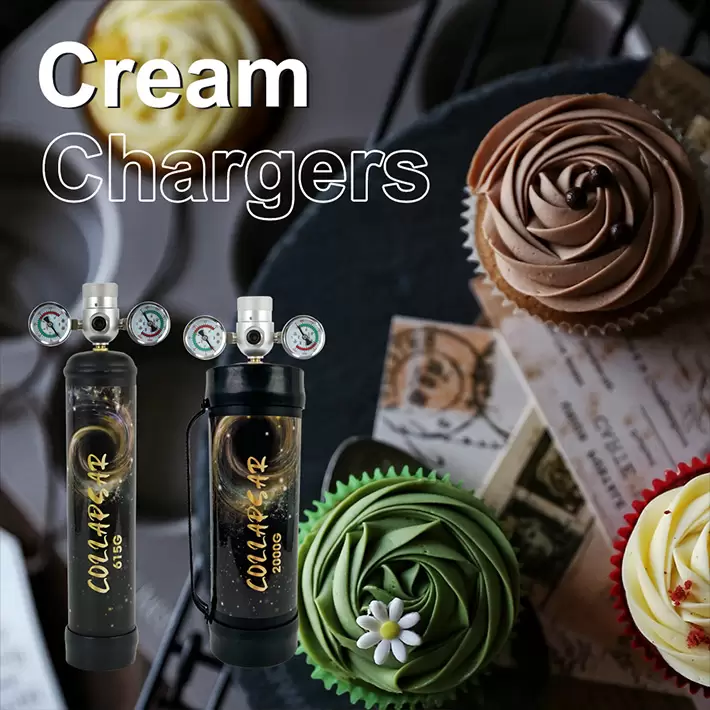
Navigating the world of shipping labels can be complex, especially when dealing with products containing specialized gases. Many consumers and businesses encounter the UN1070 code but may not fully grasp its importance. This identifier is far more than just a simple number on a box.
It represents a critical safety classification set by international regulations. The code specifically denotes nitrous oxide, a gas commonly used in various applications. Recognizing this designation is essential for anyone involved in the handling or transport of these products.
COLLAPSAR Gas is committed to providing top-tier cream dispensers and chargers. We believe that clear information is the foundation of safety. This guide will explain the regulatory meaning behind the UN1070 label to ensure you are fully informed.
Key Takeaways
- The UN1070 is a United Nations code for nitrous oxide.
- This classification is found in the official Hazmat Table under 49 CFR 172.101.
- It is a critical identifier for the safe transport of hazardous materials.
- Proper handling protocols are outlined in the 2024 Emergency Response Guidebook.
- Understanding this label is vital for compliance with international safety standards.
- COLLAPSAR Gas prioritizes customer safety through clear communication.
Overview of Nitrous Oxide in Cream Chargers
Nitrous oxide serves as the essential propellant inside modern cream chargers. This specific gas is responsible for aerating and whipping dairy cream. Its unique properties make it the industry standard for creating stable, light foams.
COLLAPSAR’s Commitment to 100% Food Grade Quality
COLLAPSAR guarantees that every cartridge contains 100% food grade nitrous oxide. Purity is our highest priority, ensuring safety for culinary use. We achieve this through rigorous processing that removes all impurities.
Our superior oxide processing means the final whipped cream has no unwanted odor. The taste profile remains pure and delicate. We are committed to sharing the best price for this high-quality standard.
The Role of Nitrous Oxide in Food Preparation
In the kitchen, this gas acts as a powerful yet gentle propellant. It forces tiny bubbles into the cream, creating a smooth texture. The result is a consistently delicate product that holds its shape.
Professional chefs rely on this consistency for plating and dessert presentation. Using pure nitrous oxide is key to achieving these results. Our products support excellence in every kitchen operation.
| Feature | Benefit | Product Example |
|---|---|---|
| 100% Food Grade Purity | Ensures no unwanted odor or taste alteration | All COLLAPSAR Chargers |
| Superior Oxide Processing | Delivers a more delicate whipped cream texture | Collapsar 3.3L 2000G Tank |
| Consistent Performance | Reliable results for professional kitchens | Collapsar 1L 615G Tank |
Detailed Analysis of Shipping Label Codes and Regulations
Compliance with transport safety begins with understanding the hazard classification system. The markings on packaging are not random. They form a universal language for handlers and emergency crews.
Understanding Hazard Classes and Labels
The official Hazmat Table, 49 CFR 172.101, provides the definitive information. It assigns nitrous oxide two primary hazard classes.
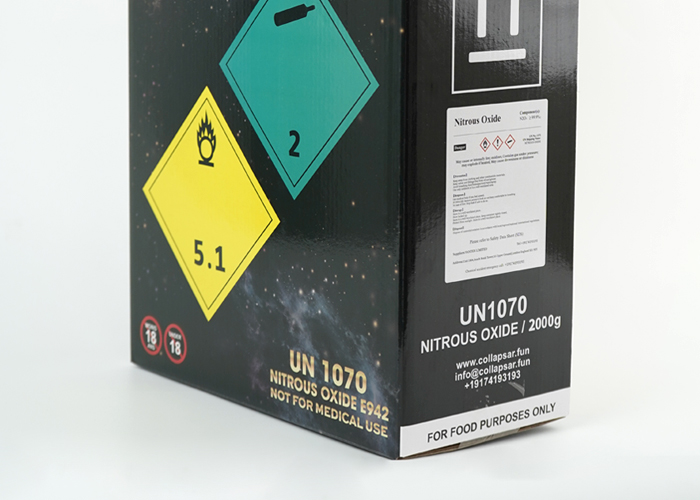
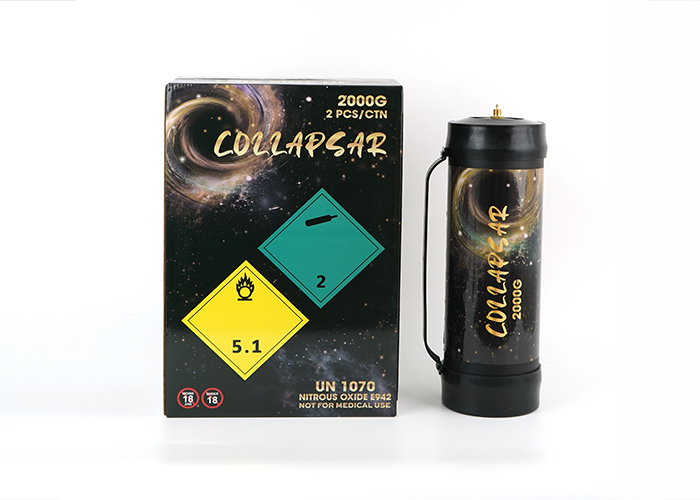
This gas is listed as a Class 2.2 non-flammable compressed gas. It also carries a Class 5.1 oxidizer designation. The hazard identification number 25 further signals an oxidizing gas that can intensify fire.
| Hazard Class | Label/Code | Primary Implication |
|---|---|---|
| 2.2 | Non-flammable gas | Identifies a compressed gas risk during transport. |
| 5.1 | Oxidizer | Signifies a material that intensifies combustion. |
The proper shipping name “Nitrous Oxide” must appear with these labels. This ensures the hazard group is clear to everyone in the supply chain.
Insights from the Emergency Response Guidebook (ERG)
The 2024 ERG offers critical guidance for first responders. For the UN1070 code, it notes no initial isolation distances are required.
This specific material does not produce toxic-by-inhalation hazards in water. The classification code 2O confirms it is a liquefied gas, not a compressed gas or flammable liquid.
This distinction is vital for correct emergency procedures. Proper identification also dictates tunnel restriction codes for transport vehicles.
How UN1070 Affects Transportation and Handling Procedures
Transporting materials classified under UN1070 demands adherence to strict international packaging and routing rules. This specific identifier mandates that all containers follow the ADR packing instruction P200. These standards govern the safe containment of nitrous oxide in pressure receptacles.
Furthermore, Transport category 3 (C/E) applies to these shipments. This classification restricts passage through specific tunnel categories. It ensures public safety by managing the movement of oxidizing cylinders.
Regulatory Compliance and Packaging Standards
Regulatory compliance requires that all containers meet the P200 instruction standards. This rigorous standard prevents potential leaks during the transit process. The UN1070 code must be visible on all shipping documentation.
Carriers require this critical information to accurately recognize the oxidizing group properties. Our products are packaged to withstand pressures associated with transporting liquefied material. This ensures safety throughout the entire supply chain.
We provide detailed guidance to our logistics partners. Every shipment, including our 2.2L 1364G tanks, complies with local and federal laws. Proper handling procedures are essential due to the oxide nature of the substance.
Safety and Compliance Guidelines for Nitrous Oxide Use
Responsible use of food-grade gases requires strict adherence to established safety guidelines. Legal frameworks like the Psychoactive Substances Act 2016 (PSA16) define permissible applications. This act makes it a criminal offense to supply nitrous oxide for any intent other than legitimate food preparation.
Cloverleaf Marketing DMCC emphasizes that N2O products are strictly for culinary use. They must never be used for human inhalation. Understanding this distinction is critical for compliance and personal safety.
Safe Usage Practices for Cream Chargers and Tanks
Inhalation of this gas carries severe health risks. These include potential brain injury or death due to asphyxiation. Our oxide-based chargers are designed solely for whipping cream.
We refuse to supply any customer who intends to misuse our product. Every legitimate use must be for the preparation of food and beverages. Proper handling ensures the nitrous oxide performs as intended.
Proper Storage, Disposal, and Handling Instructions
Store all products in a secure, temperature-controlled environment. This prevents unauthorized access, especially by minors.
Dispose of empty canisters at authorized waste centers. These facilities are equipped to handle pressurized gas cylinders safely. Following these protocols for nitrous oxide containers is non-negotiable.
COLLAPSAR Wholesale is available for businesses seeking to become retailers. We partner only with entities committed to these safety standards.
Step-by-Step Guide for Using Premium COLLAPSAR Products
Proper handling of high-performance kitchen tools begins with a clear, step-by-step procedure. This guide ensures you operate your equipment safely and achieve perfect results every time. Following these methods protects both the user and the integrity of the culinary creation.
Operating Procedures for N2O Tanks and Cream Chargers
Start by inspecting your tank for any signs of damage. High-pressure oxide contents require careful visual checks before use. Next, attach the regulator securely to the tank valve.
Follow the specific operating code for your model found in the manual. This step is critical for all our products. A proper seal prevents accidental discharge during the charging process.
Our guide details how to release nitrous oxide safely into your dispenser. This maintains the purity of the food-grade gas. The nitrous oxide will aerate your cream without altering its delicate flavor.
Adhering to these steps ensures the product is used efficiently for catering needs. For further technical information, Cloverleaf Marketing DMCC provides expert support.
- Contact professional assistance at: +1 (775) 363-1370
What Does UN1070 Mean on Cream Charger Shipping Labels?
Every hazardous material label communicates vital safety data through a standardized system of codes. This universal language allows handlers to quickly assess risks. The specific code provides essential information about the chemical’s nature.
Decoding the UN1070 Label Information
The marking confirms the material is nitrous oxide. It is classified as a Class 2.2 non-flammable, non-poisonous gas. A second Class 5.1 oxidizer designation is also present.
This dual classification means the gas itself won’t easily ignite. However, its group 5.1 properties mean it can intensify existing fires. The proper shipping name “Nitrous Oxide” clearly identifies the contents.
Implications for Whipped Cream Dispensers and Safety
Understanding this label helps users identify the product correctly. It is a pressurized gas, not flammable liquids. This distinction dictates specific handling protocols.
The oxidizer warning necessitates careful storage away from heat sources. Proper use of whipped cream dispensers depends on recognizing these safety labels. This prevents the severe risks linked to accidental inhalation of the gases.
Always store these products securely. Ensure they are only employed for their intended culinary purpose.
| Label Element | Direct Meaning | Required Safety Action |
|---|---|---|
| UN1070 | Identifies the substance as Nitrous Oxide. | Confirm food-grade intent before use. |
| Hazard Class 2.2 | Non-flammable, non-poisonous compressed gas. | Handle as a pressurized container; avoid physical damage. |
| Hazard Class 5.1 | Oxidizing agent. | Store away from heat, flames, and combustible materials. |
| Proper Shipping Name | “Nitrous Oxide” | Verify contents match the label for intended application. |
Conclusion
The journey from warehouse to workstation for culinary gases is governed by precise international standards. This guide has detailed the critical safety and regulatory information conveyed by a specific hazmat label. Recognizing these codes ensures full compliance during the transport and handling of nitrous oxide.
Adherence to established protocols is non-negotiable due to the oxidizing properties of this substance. COLLAPSAR remains dedicated to supplying only the highest quality, 100% food-grade products. Our commitment supports professional culinary results while prioritizing user safety above all.
We urge every customer to follow all provided handling instructions meticulously. Responsible usage is the cornerstone of maintaining excellence within the food service industry. Safety and quality define our mission from production to your kitchen.
FAQ
What is the UN1070 code on my package?
The UN1070 marking is the official United Nations identification code for nitrous oxide. This label is a critical part of the shipping process, informing carriers and handlers that the package contains a gas classified for specific transport regulations. It ensures the products are handled according to strict safety standards.
Is nitrous oxide in cream chargers dangerous?
When used correctly with a whipped cream dispenser for its intended culinary purpose, nitrous oxide from brands like COLLAPSAR is safe. The hazard class label primarily addresses its properties during transport as a compressed gas. Misuse, such as direct inhalation, is extremely hazardous and not a food-grade application.
Why is proper handling for this gas so important?
Strict handling and transportation procedures exist because nitrous oxide is a compressed gas. Following the guide and regulations prevents accidents, ensures safety, and maintains product integrity. Proper use in food preparation is safe, but the shipping requirements are designed for bulk transport scenarios.
How do I safely use and store my cream chargers?
A> Always use a certified whipped cream dispenser. Store COLLAPSAR chargers in a cool, dry place away from heat sources. Never puncture or incinerate a used charger. Adhering to these instructions and the operating procedures on the dispenser manual ensures safe usage for creating desserts and foams.
What does the 2.2 hazard class label mean?
The 2.2 hazard class indicates non-flammable, non-toxic gases. For nitrous oxide, this classification in the Emergency Response Guidebook helps first responders identify the material type quickly in a transport incident. It’s a standard category for many food-grade propellant gases used in cream chargers.
Are all cream charger brands compliant with these labels?
Reputable manufacturers, including COLLAPSAR, adhere to regulatory compliance for packaging and shipping. This includes correct UN1070 markings and hazard labels. Always purchase from trusted suppliers to guarantee you receive authentic, food-grade products that meet all transportation and safety standards.