Your cream dispenser should create perfect whipped cream every time. This kitchen tool works as a sealed pressure container. It holds both cream and gas for controlled release.
When leaks continue despite proper cleaning, the issue often involves pressure system failure. The device requires precise gas and cream balance. This ensures consistent whipping results.
A faulty seal can cause pressure loss. This prevents achieving that desired airy texture. Many users discover that charger problems lead to flat, disappointing results.
Understanding your equipment’s mechanics is crucial. Proper maintenance and quality supplies prevent these frustrating issues. They help achieve professional-grade outcomes for all your culinary creations.
Key Takeaways
- Cream dispensers function as precision pressure vessels
- Proper sealing is essential for maintaining pressure
- Gas and cream balance determines whipping quality
- Charger issues commonly cause leakage problems
- Equipment maintenance prevents most leaking issues
- Quality supplies ensure consistent performance
- Understanding mechanics leads to better results
Understanding the Mechanics of Whipped Cream Dispensers
Whipped cream dispensers function as miniature pressure vessels for culinary foam. This kitchen tool relies on a perfectly sealed environment. Inside, gas and cream interact under controlled conditions.
The process creates that light, airy texture everyone loves. Mastering these mechanics helps prevent common performance issues.
How Pressure and Sealing Work
The dispenser operates as a sealed pressure vessel. Internal gas must remain perfectly contained for correct function. A tight seal is the most critical component.
When you insert a cream charger, gas releases into the canister. This pressurizes the mixture instantly. Proper whipping requires the gas to stay trapped until serving.
If pressure escapes, the cream turns flat. The texture becomes unstable and disappointing. Consistent results depend entirely on maintaining this sealed state.
The Role of Nitrous Oxide in Cream Dispensing
Nitrous oxide is the specific gas used for whipping. It dissolves directly into the fat within the cream. This scientific interaction builds volume and creates stable foam.
Using high-quality chargers ensures gas purity. Pure gas is essential for achieving a delicate, professional texture. The entire whipped cream structure depends on this precise chemical process.
Every successful batch proves the importance of quality supplies and understanding the core science.
Common Causes of Leaks in Cream Dispensers
Persistent leaks from your whipped cream dispenser often stem from a few key mechanical failures. These problems usually involve the sealing system or how you handle the gas and cream. Identifying these common causes is the first step toward a fix.
Gasket Failures and Seal Problems
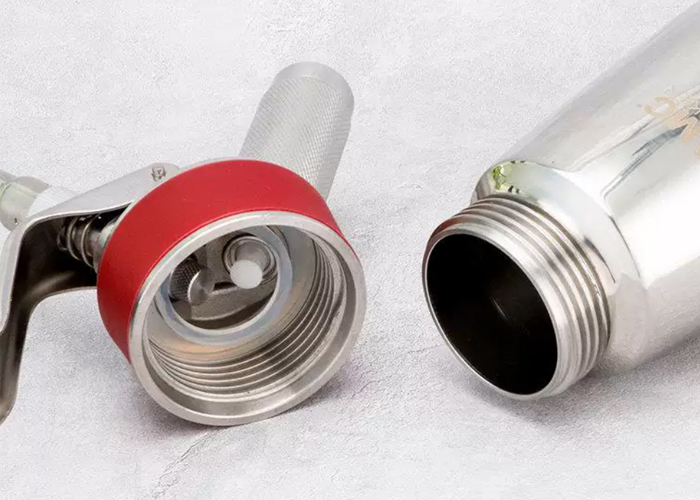
The gasket creates a tight seal between the body and the head of your dispenser. This small ring is vital for holding internal pressure.
When the gasket cracks or flattens, it cannot contain the gas. This leads to immediate pressure loss. Your cream will not whip properly.
Always check the canister threads for cleanliness and alignment. Dirty or damaged threads prevent a proper seal. This is a frequent source of leaks.
Issues with Charger Installation and Overfilling
Improper charger installation is a major issue. If the charger holder is cross-threaded, the pin may not pierce the seal correctly. This faulty connection allows pressure to escape.
Another common mistake is overfilling the canister. Filling beyond the 60-70% capacity mark forces liquid cream into seams and connectors. The excess has nowhere to go but out.
Inspect all parts, including the head and charger holder, for residue or damage. Using high-quality cream chargers also minimizes these problems.
Why Is My Cream Dispenser Still Leaking After Cleaning?
The root of a persistent leak often lies in two areas: incomplete cleaning and subtle mechanical faults. Surface washing may not address hidden causes that compromise the pressure system.
Residual Cream Buildup and Cleaning Challenges
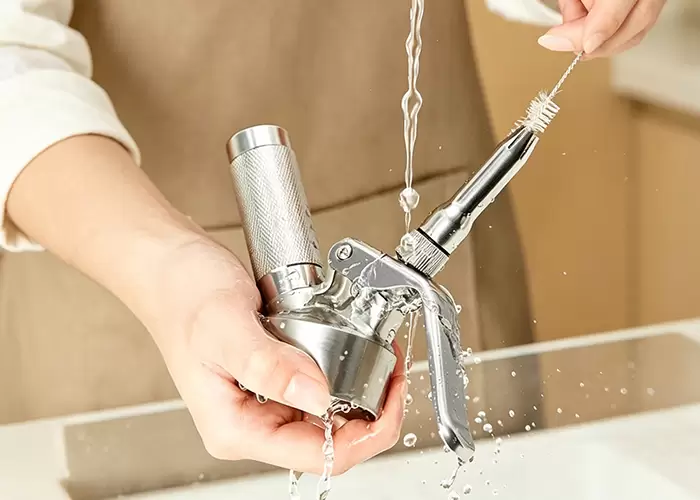
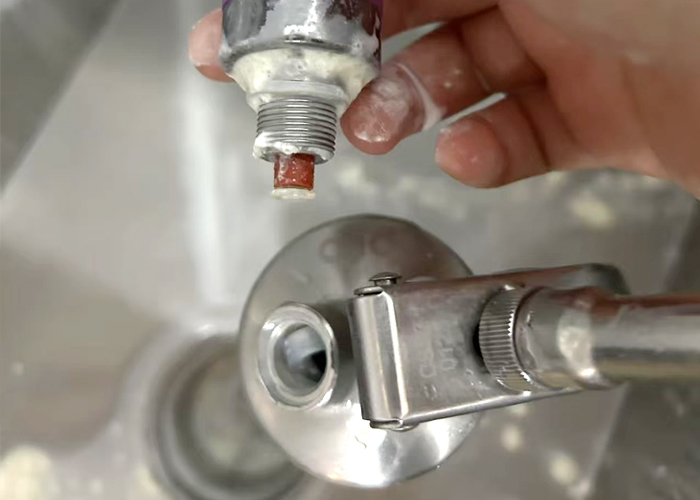
Sticky residue in the valve or gasket groove is a common issue. This buildup prevents the dispenser from closing with a perfect seal. You must use warm water and mild detergent to wash all parts thoroughly.
Pay special attention to the valve stem and the head components. Any leftover cream can harden and create a path for gas to escape. This directly ruins the light texture of your whipped cream.
Mechanical and Operational Faults
If the head is not tightened correctly, pressure will leak out. Always check that the threads on the canister are free of debris. A tiny particle can cause significant sealing problems.
A worn-out gasket loses its integrity and needs replacement. Operational errors, like charging warm cream, make the gas behave unpredictably. Using high-quality cream chargers helps prevent these issues and ensures reliable performance from your dispenser.
Effective Troubleshooting Steps for Leaks
Finding the source of a pressure escape is the first step toward a reliable dispenser. A structured approach saves time and leads to perfect dessert results every time.
You must make sure to release all remaining pressure from the canister before disassembly. This is a critical safety step.
Identifying the Exact Leak Point
Common leak points are the nozzle, the head, and the charger holder. Listen for a hissing sound to locate the escape.
Visual inspection around these parts often reveals residue or moisture. This indicates where the seal has failed.
Step-by-Step Component Inspection
Check the pin inside the head for any bending. A damaged pin causes consistent leaks.
Use warm water and mild soap to clean the nozzle and valve thoroughly. Remove all dried cream residue to restore a tight seal.
Inspect the gasket for cracks or flattening. A worn gasket cannot maintain pressure, ruining the texture of your whipped cream.
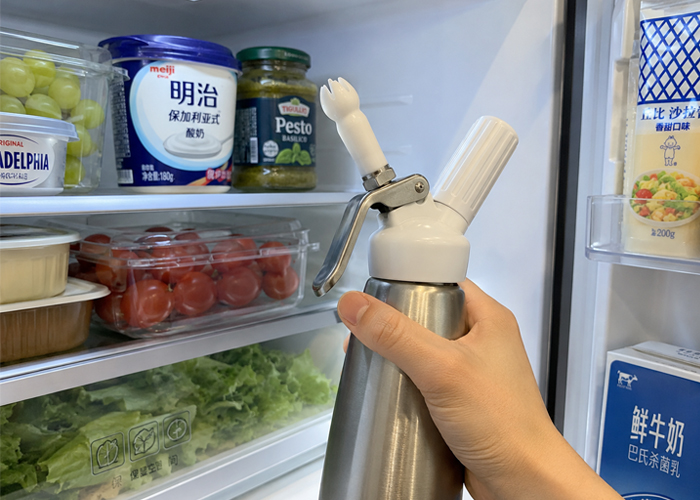
Proper Cleaning and Reassembly Techniques
Handle all metal components with care during reassembly. Avoid cross-threading the head onto the canister body.
Align the threads properly and tighten firmly. This prevents pressure problems and ensures a secure fit.
Following these steps prepares your equipment for the next use. Consistent maintenance is the best way to prevent future issues.
| Leak Point | Common Symptom | Immediate Action | Preventive Measure |
|---|---|---|---|
| Nozzle | Dripping or seepage during use | Clean with warm water; check for clog | Rinse immediately after each use |
| Head/Valve | Hissing sound from the top | Inspect pin and internal seal | Ensure proper charger installation |
| Charger Holder | Gas escape when charging | Check holder threads and gasket | Use high-quality cream chargers |
This table provides a quick reference for diagnosing and fixing common leaks. Systematic handling leads to professional results and extends your tool’s life.
Preventative Measures for Leak-Free Performance
A few simple habits can transform your dessert-making experience from frustrating to flawless. Consistent, leak-free operation relies on proper handling and routine care. This approach safeguards your equipment and ensures perfect whipped cream every time.
Correct Assembly and Tightening Practices
Always align the head with the canister threads before tightening. Turn until you feel firm resistance, then apply a gentle final twist. This creates the essential pressure seal.
Insert each cream charger straight into the holder. This prevents the pin from making an uneven puncture. Inspect the metal body regularly for dents or cracks.
Regular Maintenance of Seals and Nozzles
Clean all parts with warm water and mild soap after each use. Pay special attention to the nozzle and gasket grooves. Removing residue prevents common problems.
Store your chargers in a cool, dry place. Proper storage away from heat prevents gas leaks and maintains charger integrity. This is a key safety step.
| Component | Preventative Action | Frequency | Primary Benefit |
|---|---|---|---|
| Head & Seal | Check alignment and tighten correctly | Before each use | Ensures pressure integrity |
| Nozzle & Gasket | Clean thoroughly; inspect for wear | After each use | Prevents clogging and seal failure |
| Charger Storage | Keep in cool, dry environment | Ongoing | Avoids pressure-related leaks |
| Canister Body | Visual inspection for damage | Monthly | Maintains structural safety |
Following this routine is the best way to achieve reliable results. It extends your dispenser’s life and minimizes leak risks during the whipping process.
Optimizing Whipped Cream Quality and Safety
The secret to consistently light and airy whipped cream lies in mastering two key factors: cold cream and proper gas handling. These elements directly impact your dessert’s quality and the safety of your equipment.
Temperature Control and Cream Preparation
Temperature control is vital for a stable foam. Cold cream allows the fat to properly absorb the gas, creating that perfect texture.
Always chill your cream thoroughly before loading the whipped cream dispenser. This step ensures the pressure builds correctly inside the unit.
Proper preparation leads to reliable results every time. You should make sure ingredients are fresh and cold.
Storage and Handling of Chargers and Gas
Correct storage of nitrous oxide chargers prevents performance issues. Keep them in a cool, dry place to maintain gas integrity.
Inspect the pin and gasket before each use. This routine check supports equipment safety and prevents malfunctions.
Never refill single-use cream chargers or modify your dispenser. Handling pressurized gas requires attention to safety protocols.
By managing temperature and storage, you protect both your whipped cream quality and your kitchen tools.
The Advantage of COLLAPSAR Gas and Equipment
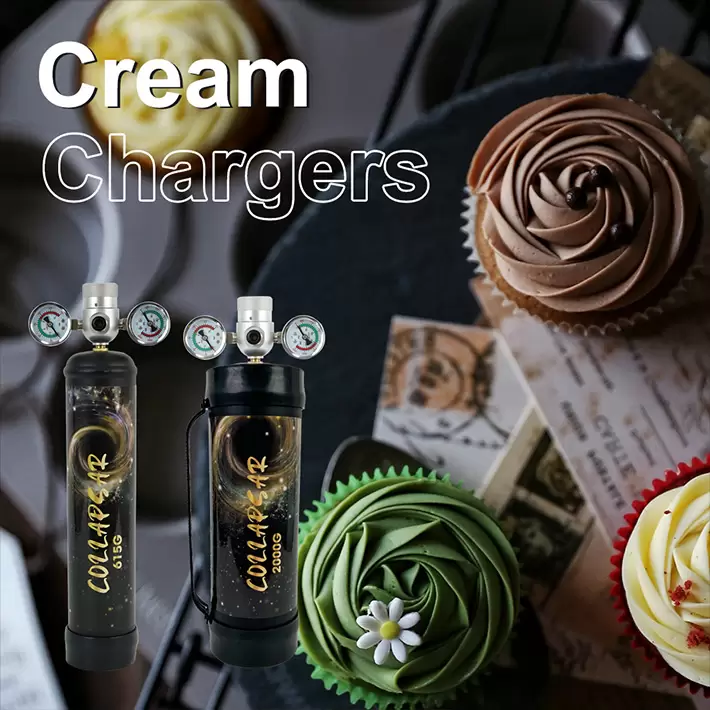
Behind every perfect dollop of whipped cream lies a combination of high-quality gas and reliable equipment. Choosing a trusted manufacturer like COLLAPSAR ensures your dessert creations are consistently impressive. Their focus on purity and performance directly addresses common kitchen frustrations.
This brand provides a complete solution for professionals and home enthusiasts. You get top-tier whipped cream nitrous oxide tanks, cream chargers, and durable dispensers. Investing in these products transforms your use of this essential tool.
High-Purity, 100% Food Grade Nitrous Oxide Benefits
COLLAPSAR supplies only 100% food grade nitrous oxide. This commitment to purity is their highest priority. The gas contains no impurities, ensuring your cream tastes pure and delicate every time.
Superior gas quality prevents many performance issues. It helps avoid pressure loss and inconsistent whipping results. You achieve a stable, airy foam with perfect texture for any dessert.
Food-grade standards also prioritize user safety. You can trust the contents of every charger. This peace of mind is invaluable in a busy kitchen environment.
COLLAPSAR Product Range: Tanks, Chargers, and Dispensers
The brand offers a versatile selection to match any need. Their equipment lineup includes various tank sizes and professional dispensers. Each product is built for durability and ease of use.
From the compact 1L model to the high-capacity 3.3L tank, there’s an option for every volume requirement. All chargers are precision-made to ensure a perfect seal. This design minimizes the risk of leaks during operation.
Their metal dispensers feature robust construction and ergonomic handling. This quality ensures long-lasting service and reliable performance.
| Model | Capacity | Best For | Key Feature |
|---|---|---|---|
| Collapsar 1L 615G | 615 grams N2O | Home kitchens, occasional use | Compact size, easy storage |
| Collapsar 2.2L 1364G | 1364 grams N2O | Cafés, medium-volume catering | Balanced capacity and portability |
| Collapsar 3.3L 2000G | 2000 grams N2O | Professional bakeries, high demand | Maximum output, reduces charger changes |
Exploring COLLAPSAR’s wholesale options can provide further value for businesses. Their commitment to quality makes them a preferred choice for chefs seeking dependable equipment.
Conclusion
Achieving consistently perfect whipped cream relies on a combination of proper maintenance and quality supplies. Regular cleaning and inspection are the most effective ways to prevent leaks and ensure your equipment performs flawlessly.
Always prioritize safety in your kitchen. Use certified cream chargers that meet strict food-grade standards for the gas. This protects both your dessert’s quality and your tools.
Address minor issues like gasket wear early. This avoids the frustration of a failing charger. Investing in reliable products from a trusted manufacturer guarantees professional whipping results every time.
Proper storage and temperature control for your cream are essential. They form a successful routine that keeps your dispenser working perfectly for years.
We hope this guide has provided the knowledge needed to enjoy perfect cream-based desserts with confidence.
FAQ
How does pressure keep my dispenser from leaking?
A tight seal is crucial. The gas charger creates internal pressure. This pressure forces the cream out when you press the lever. If any seal, like the head gasket or charger pin seal, is worn or dirty, pressure escapes, causing gas leaks and poor texture.
Why is the type of gas I use important?
Using pure, food-grade nitrous oxide is essential. Low-quality gas can contain impurities or moisture. These can damage internal seals and valves over time, leading to pressure loss. High-purity gas from brands like COLLAPSAR ensures clean whipping and equipment longevity.
What is the most common part that fails and causes a leak?
The rubber or silicone gaskets and O-rings are the usual suspects. These small parts create the watertight seals between the canister, head, and nozzle. They degrade with use, heat, and cleaning. Regular inspection and replacement of these seals prevent most gas leaks.
Can installing a cream charger incorrectly cause problems?
Absolutely. A charger must be seated straight and pierced cleanly in the holder. Cross-threading or using excessive force can damage the threads on the head. An overfilled canister also creates excessive pressure, stressing all seals and increasing the risk of failure.
Why might my equipment leak even right after I clean it?
Residual cream or water left in the threads or valve mechanisms is a common issue. This debris prevents seals from sitting flush. Furthermore, reassembling parts while they are still wet can compromise the seal. Always ensure all components are completely dry before use.
What’s the first thing I should check when I suspect a leak?
Perform a simple soapy water test. Mix dish soap with water and apply it to the dispenser’s head, nozzle, and charger area with a loaded gas charger. Pressurize the unit and look for bubbles. This pinpoints the exact location of the pressure escape for targeted repair.
How can proper storage prevent future issues?
Always store your equipment disassembled and completely dry. Keep nitrous oxide chargers in a cool, dry place. For the best results and safety, store your cream mixture and the pressurized dispenser in the refrigerator. Consistent, cool temperatures protect seal integrity.
What makes COLLAPSAR products different for professional use?
COLLAPSAR provides a full ecosystem of compatible tools. Their 100% food-grade nitrous oxide ensures pure gas with no oily residues. Their dispensers and chargers are engineered for precise pressure and durability, reducing common problems and ensuring consistent, high-quality whipped cream every time.