Creating perfect, fluffy toppings for desserts requires the right tools and techniques. This kitchen device uses pressurized gas to aerate liquids into a light, airy foam.
Understanding how to fill it correctly is crucial. Exceeding its capacity can lead to safety hazards and poor results, like runny foam or gas leaks.
This comprehensive guide explores the mechanics behind these tools. It aims to help you avoid common pitfalls and achieve the ideal culinary texture every time.
Whether you’re a professional chef or a home baker, mastering your equipment elevates dessert presentations. Proper filling methods and high-quality ingredients, like food-grade nitrous oxide chargers from Supreme-Whip USA, contribute to professional outcomes.
By following expert advice, you ensure stable and delicious toppings for each serving. Let’s dive into the details for safe and effective use.
Key Takeaways
- Correct filling of your dispenser is essential for both safety and achieving the desired texture.
- Overfilling can cause issues like runny foam, gas leaks, and potential safety risks.
- Understanding the tool’s mechanics helps prevent common mistakes.
- High-quality ingredients, such as food-grade nitrous oxide chargers, improve results.
- Proper technique benefits both professional chefs and home cooking enthusiasts.
- Following expert guidance ensures consistent, stable aerated cream for every use.
- This guide provides comprehensive steps to optimize your dessert presentations.
Understanding Whipped Cream Dispensers
At the heart of many dessert presentations lies a pressurized device known as a cream siphon. This cream dispenser is typically crafted from stainless steel or aluminum. It uses nitrous oxide to aerate liquids into a stable foam.
The tool includes a main receptacle, a head with a nozzle, and a gas inlet for pressure regulation.
How the Dispenser Works
The siphon functions by dissolving nitrous oxide gas into the fat of the cream. This process creates a light, airy foam structure ideal for toppings.
The steel or aluminum body acts as a pressurized vessel. It keeps the aerated mixture stable for extended periods, ensuring consistent texture.
Key Components and Safety Features
Key parts of these dispensers include the head assembly and a nozzle for decorative finishing. An internal gasket provides a crucial seal to maintain pressure.
Integrated safety features ensure gas is released only when the user engages the lever. Proper maintenance of the canister guarantees pressure remains consistent throughout use.
What Happens If You Overfill a Whipped Cream Dispenser
Pushing past the recommended fill level in a pressurized cream canister compromises its core function. This error directly impacts the gas dynamics inside the tool.
The dispenser’s function relies on a precise balance between liquid volume and gas expansion space.
Risks of Overfilling: Gas Pressure and Performance
Exceeding the maximum capacity leaves no room for the nitrous oxide to expand. The dispenser lacks the headspace required for proper aeration.
This often causes a nozzle clog. The mixture becomes too dense to pass through the small opening smoothly.
Internal pressure drops when liquid volume is excessive. The cream cannot achieve a stable, fluffy texture.
Ignoring the marked fill line risks a messy, violent discharge. Instead of a smooth ribbon, the product sprays uncontrollably.
Respecting the fill line isn’t a suggestion—it’s the law of physics for perfect foam. The gas needs room to work.
Maintaining the correct fill is critical. It allows the gas to interact properly with the fat molecules in the cream.
| Common Issue | Primary Cause | Result on Cream |
|---|---|---|
| Runny, Liquid Texture | Insufficient gas headspace | Fails to whip, remains thin |
| Nozzle Clog | Overly dense mixture | Erratic or blocked flow |
| Violent Spray | Excess liquid reducing pressure | Messy, unstable foam |
Each issue stems from a simple misstep. Following the manufacturer’s capacity guide prevents these problems.
Your dessert toppings depend on this balance. Proper technique ensures light, airy whipped cream every time.
Optimal Filling Techniques for Perfect Whipped Cream
Achieving consistently light and stable whipped cream hinges on mastering a few key techniques. These methods ensure your pressurized tool operates safely and delivers professional results every time.
Focus on two critical areas: respecting the device’s capacity and preparing your mixture correctly. Both factors directly influence the final texture and stability of your foam.
Respecting the Max Fill Line
The marked fill line inside your canister is not a suggestion. It is a precise engineering guideline.
Exceeding this limit leaves no room for the gas to expand. Your cream will lack the necessary headspace to aerate properly.
This often leads to a dense, runny mixture that clogs the nozzle. Always stay at or below the maximum capacity for ideal volume.

Proper Shaking and Cold Ingredient Use
Temperature is crucial for success. Always use cold heavy cream with a fat content of at least 30%.
Cold ingredients absorb nitrous oxide gas far more effectively. This creates a stable foam structure.
After charging, shake your dispenser firmly. The standard recommendation is 5 to 8 times for even gas distribution.
Some systems, like MagicWhip, may require 8-12 shakes. Always strain your mixture first to prevent nozzle clogs from solid particles.
Avoiding Common Dispensing Issues
Even with proper filling, a few persistent issues can disrupt your dessert service. Proactive troubleshooting ensures your dispenser operates smoothly and delivers perfect foam every time.
Addressing these problems quickly maintains both safety and the quality of your final product.
Gas Leaks and Clogged Nozzles
A hissing sound often indicates a compromised seal. Check the rubber gasket inside the dispenser head for cracks or wear.
A clogged nozzle is frequently caused by dried cream residue. Use the small cleaning brush included with your tool after each use.
This prevents buildup in the valve and ensures consistent flow.
Managing Excess Pressure and Foam Integrity
Never unscrew the head until all gas is fully released. This manages excess pressure safely.
For foam that lacks integrity, ensure you’re using fresh, high-quality gas. Also, keep equipment free from metallic residue.
Regular cleaning of the nozzle and valve parts prevents bacterial growth. It keeps your whipped cream fresh for days.
Selecting the Right Nitrous Oxide Chargers
Your choice of nitrous oxide source directly influences the purity and texture of your foam. Premium cream chargers are essential for professional results.
They provide the gas that creates the aerated structure. Selecting the wrong type can ruin even the best technique.
Why High-Quality, Odor-Free Gas Matters
High-purity nitrous oxide ensures your cream has a clean, delicate taste. Lower-grade industrial chargers often leave a metallic aftertaste.
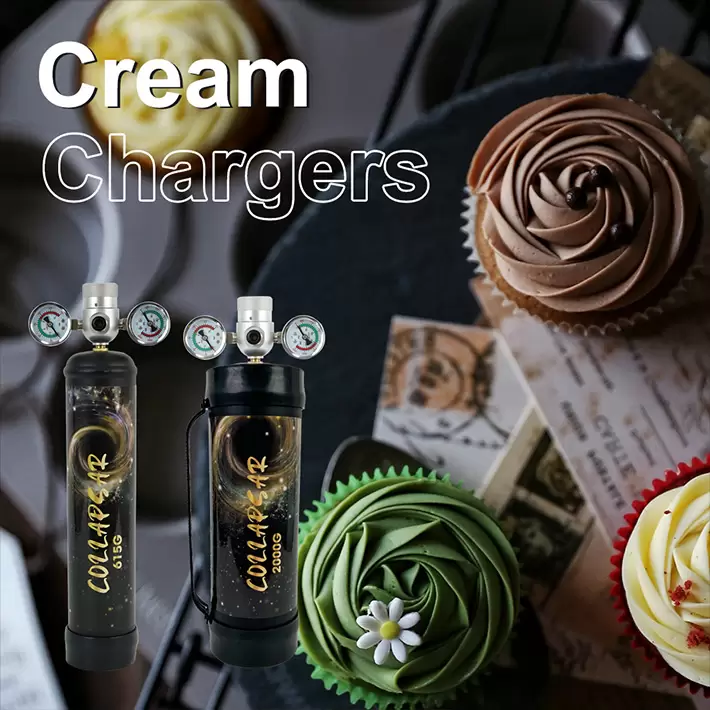
Collapsar provides unparalleled quality with superior gas. Their process ensures your cream is free from impurities and odors.
The oxide dissolves perfectly into the cream’s fat. This creates a more stable and light foam every time.
Overview of Collapsar Product Options
Collapsar offers a range of cream chargers for different needs. Each uses the same high-purity nitrous oxide.
Their products are designed for performance and reliability. Here is a comparison of their main options.
| Product | Capacity | Best For | Key Benefit |
|---|---|---|---|
| Collapsar 3.3L 2000G | 2000 grams | High-volume kitchens | Professional-grade output |
| Collapsar 1L 615G | 615 grams | Home bakers | Compact, pure gas |
| Collapsar 2.2L 1364G | 1364 grams | Cafes & medium use | Balanced capacity |
For retailers, the COLLAPSAR Wholesale page offers details. Stocking these premium chargers ensures consistent quality for customers.
Using high-quality oxide is a simple upgrade. It transforms ordinary whipped cream into an exceptional topping.
Step-by-Step Guide to Properly Charge Your Dispenser
The process of introducing gas into your canister demands precision for safety and optimal texture. A correct charging sequence prevents accidents and guarantees fluffy results every time.
Safe Attachment and Gas Release
Follow these key steps to ensure proper charging:
- Insert a nitrous oxide charger into the holder. Screw it onto the dispenser inlet evenly until you hear the gas release.
- Shake the canister firmly five to eight times. This integrates the oxide fully into the cold cream.
- Always hold the tool nozzle-down. Squeeze the lever gently to control the foam flow.
- For professional systems, ensure all parts are securely attached before releasing the gas. This prevents leaks.
Critical reminder: Never use CO2 chargers in your whipped cream dispenser. This gas is designed for carbonation and will ruin the flavor with a sour taste.
Adhering to this guide ensures your cream is aerated perfectly. It also maintains the integrity of your equipment for long-term use.
Preventative Maintenance and Cleaning Tips
A clean and well-maintained dispenser is the foundation for consistently perfect dessert toppings. Regular care prevents malfunctions and ensures safe, reliable operation every time.
Implementing a simple routine after each use protects your investment. It also guarantees the quality of your whipped cream.
Routine Cleaning Procedures
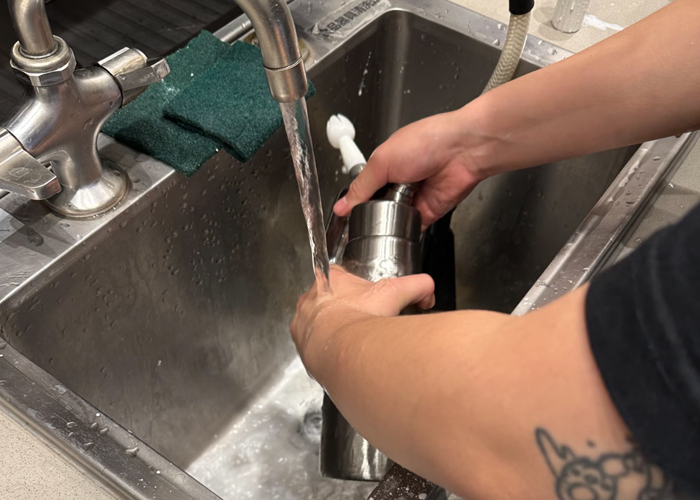
Begin by disassembling the head, nozzle, and rubber gasket after each session. Rinse all parts under warm running water.
Use mild dish soap and a soft cloth to remove any residual cream. A dedicated cleaning brush scrubs the valve and nozzle interior.
This prevents dried residue from causing clogs. Thorough cleaning stops bacterial growth and odor.
When to Replace Gaskets and Nozzles
Inspect the silicone gasket each week for cracks, stiffness, or wear. A compromised seal allows gas to escape, ruining pressure.
Replace the gasket immediately if you notice any damage. Check the nozzle tip for dents or blockages that affect foam shape.
Keeping these components in top condition is non-negotiable. It maintains the dispenser’s pressure integrity for perfect whipped cream.
| Maintenance Task | Recommended Frequency | Primary Benefit |
|---|---|---|
| Full Disassembly & Wash | After every use | Prevents bacterial growth and clogs |
| Gasket Inspection | Weekly | Ensures pressure seal remains intact |
| Nozzle & Valve Brush-Out | After every use | Guarantees consistent, clean flow |
| Complete Air-Dry Before Storage | Always | Eliminates moisture that causes corrosion |
Following this schedule extends your tool’s life significantly. Proper care makes every dessert presentation flawless.
Enhancing Whipped Cream Texture and Consistency
Superior foam structure and mouthfeel are achieved through precise ingredient selection and temperature control. The difference between a runny mess and a pillowy topping lies in these fundamentals.
Mastering them ensures your dessert presentations impress every time.
Ingredient and Temperature Tips
Start with heavy cream containing a minimum of 32% fat. This high fat content is non-negotiable for a stable, shape-holding foam.
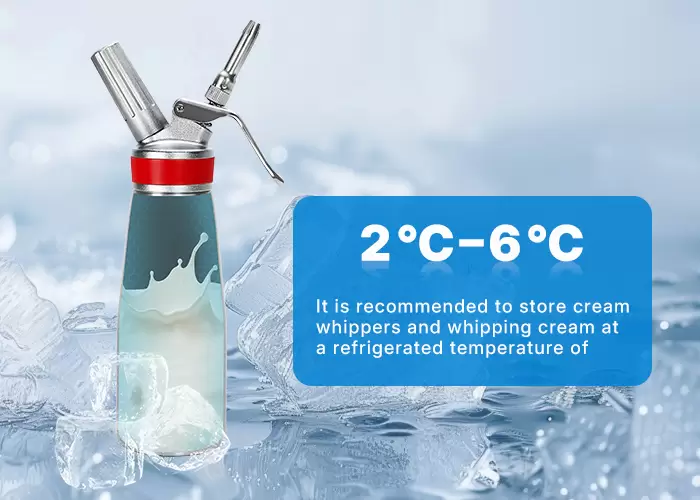
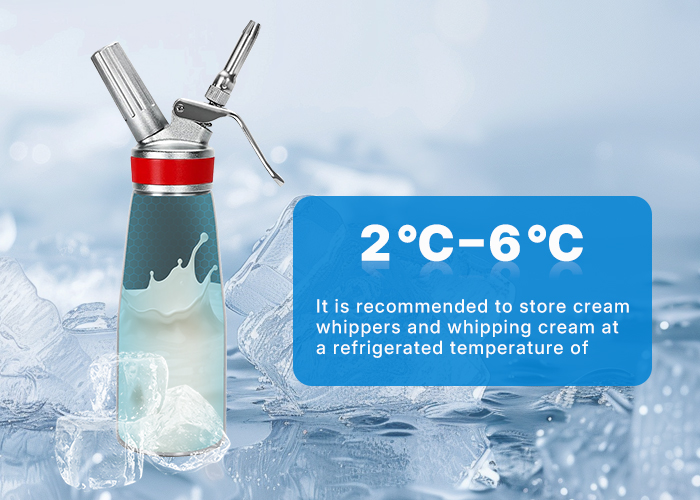
Cold is your ally. Always refrigerate your dispenser and use chilled cream. The nitrous oxide gas dissolves best into cold fat, creating a firm structure.
To enhance flavor, incorporate vanilla extract or powdered sugar. Ensure these are fully dissolved before loading to prevent nozzle blockages.
The single most important step for perfect texture is starting with ice-cold ingredients. It sets the stage for the gas to work its magic.
| Ingredient Factor | Role in Texture | Optimal State |
|---|---|---|
| Fat Content | Provides structure and stability | Heavy cream, ≥32% fat |
| Temperature | Maximizes gas absorption | Chilled dispenser & cream |
| Additives (e.g., sugar) | Adds sweetness; can weaken foam if coarse | Fully dissolved, strained |
For creative culinary foams, blend savory ingredients until perfectly smooth. A silky base is essential for the dispenser to aerate it properly.
Consistent, luxurious whipped cream results from this disciplined approach. High-quality components and correct chilling are the foundation.
Leveraging Collapsar Superior Gas Technology
Professional chefs understand that the secret to impeccable foam lies in the purity of the nitrous oxide used. Collapsar’s advanced gas technology is engineered specifically for culinary excellence.
It transforms ordinary preparation into a reliable, high-performance process. This focus on quality ensures every batch meets professional standards.
Product Range: Collapsar 3.3L, 1L, and 2.2L Options
Collapsar provides a versatile lineup of N₂O chargers for every kitchen. The range accommodates high-volume restaurants and home bakers alike.
Options include the Collapsar 3.3L 2000G for professional output. The Collapsar 1L 615G suits home use perfectly.
For cafes, the Collapsar 2.2L 1364G offers a balanced capacity. Each model delivers the same high-purity nitrous oxide.
Benefits of Using Purity-Ensured N₂O
Purity-ensured N₂O is the cornerstone of delicate flavor. It prevents the metallic aftertaste common with lower-grade oxide.
Collapsar tanks provide remarkably consistent pressure. This reliability is vital for achieving stable, repeatable results with your whipped cream.
Your cream remains free from impurities. The foam structure is lighter and holds its shape longer.
| Product Model | Capacity | Best For | Key Benefit | Product Link |
|---|---|---|---|---|
| Collapsar 3.3L 2000G | 2000 grams | Commercial Kitchens | Maximum output for high volume | View Product |
| Collapsar 1L 615G | 615 grams | Home Bakers | Compact size, pure gas quality | View Product |
| Collapsar 2.2L 1364G | 1364 grams | Cafes & Caterers | Ideal balance of capacity and size | View Product |
Selecting the right chargers directly elevates your dessert presentation. Superior gas technology guarantees professional results every time.
Ensuring Consistent Results Every Time
Reliable outcomes in the kitchen stem from disciplined habits and trusted equipment. Achieving the same perfect foam for each dessert requires a committed routine.
This discipline applies to all users. Whether you’re a home baker or a professional chef, the principles remain identical.
Proper Technique and Equipment Use
Follow a strict preparation sequence every time you use your whipped cream tool. Start with chilled heavy cream and a cold dispenser.
Clean all parts thoroughly before assembly. This prevents old residue from affecting your new batch.
Adhering to these steps guarantees the foam’s texture and stability. It turns a simple process into a reliable ritual.
Long-Term Performance and Reliability
Your equipment’s durability depends on proactive care. Inspect the silicone gasket and nozzle regularly for wear.
Replace these components at the first sign of damage. This maintains pressure integrity and ensures consistent flow.
Such maintenance safeguards your investment. It delivers professional-grade results every time you serve guests.
Whether you’re crafting a basic topping or an elaborate foam, proper technique defines the outcome. Consistent results build confidence and elevate every dessert presentation.
Conclusion
The journey to perfect dessert toppings culminates in disciplined practice and quality supplies. Mastering your pressurized tool unlocks professional-grade whipped cream, mousses, and savory foams.
Respect the fill line and use high-quality nitrous oxide chargers. This ensures your culinary creations are always light and stable. Premium oxide guarantees a pure taste without off-flavors.
Regular maintenance of your dispenser is non-negotiable. Proper cleaning of all parts ensures long-term reliability and food safety in your kitchen.
With the right techniques and superior chargers, you achieve consistent, café-style results. Your foams will hold their shape and impress every guest. The integrity of your cream and the quality of your foam depend on these principles.
FAQ
How does a cream dispenser create foam?
A whipped cream dispenser uses nitrous oxide (N₂O) from a cream charger. The gas dissolves into the cold liquid cream inside the sealed canister. When you press the lever, the pressure drop causes the gas to expand rapidly, aerating the mixture into a light, stable foam with perfect texture.
Why is overfilling the canister so dangerous?
Exceeding the fill line leaves no space for the gas to properly dissolve and expand. This creates excessive pressure inside the unit. The result can be a faulty seal, gas leaks, a clogged nozzle, or in severe cases, damage to the dispenser’s safety mechanisms, compromising reliability.
What’s the correct way to fill my siphon?
Always follow the guide and respect the maximum fill line marked inside your canister. Use very cold ingredients and never fill past the line. After charging, shake the dispenser vigorously several times to help the N₂O integrate fully for consistent results.
My dispenser is leaking or has a weak spray. What’s wrong?
This often points to a worn gasket or a clogged nozzle. First, ensure you didn’t overfill it. Then, check and clean the nozzle and head assembly with warm water. If leaks persist, the silicone gasket likely needs replacement to restore a proper seal.
Are all nitrous oxide chargers the same?
No. Quality varies greatly. Collapsar cream chargers use high-purity, odor-free N₂O to ensure your cream’s flavor remains untainted. Using inferior gas can lead to poor performance, metallic tastes, and inconsistent foam quality. Always choose food-grade, reputable brands.
How do I safely attach a gas charger?
Make sure your dispenser is not overfilled. Screw a single charger firmly into the head until you hear a hiss—this means the gas is releasing into the canister. Follow the manufacturer’s instructions every time to ensure safe operation and avoid mishandling pressure.
How should I clean my whipped cream maker?
After every time you use it, disassemble the head, nozzle, and lever. Wash these parts in warm, soapy water and use a small brush to clear residue. Let all components dry completely before reassembly. Regular cleaning prevents clogs and maintains hygiene.
How can I get stiffer, longer-lasting whipped cream?
Texture starts with cold, high-fat cream and chill your dispenser beforehand. Avoid over-aeration by using the correct number of chargers—usually one per pint. For best results, use pure N₂O from brands like Collapsar and serve immediately after dispensing.
What are the benefits of Collapsar’s gas technology?
Collapsar technology ensures superior purity and consistent pressure. Their range, including the Collapsar 3.3L, 1L, and 2.2L options, is designed for performance and reliability. This gas guarantees odorless, tasteless results, enhancing both flavor and foam integrity.
How do I ensure perfect whipped cream every time?
Consistency comes from proper technique and quality equipment. Use cold ingredients, don’t overfill, charge with a high-quality cream charger like from Collapsar, and clean your dispenser thoroughly after each use. This routine ensures great taste, texture, and long-term reliability for your home kitchen.