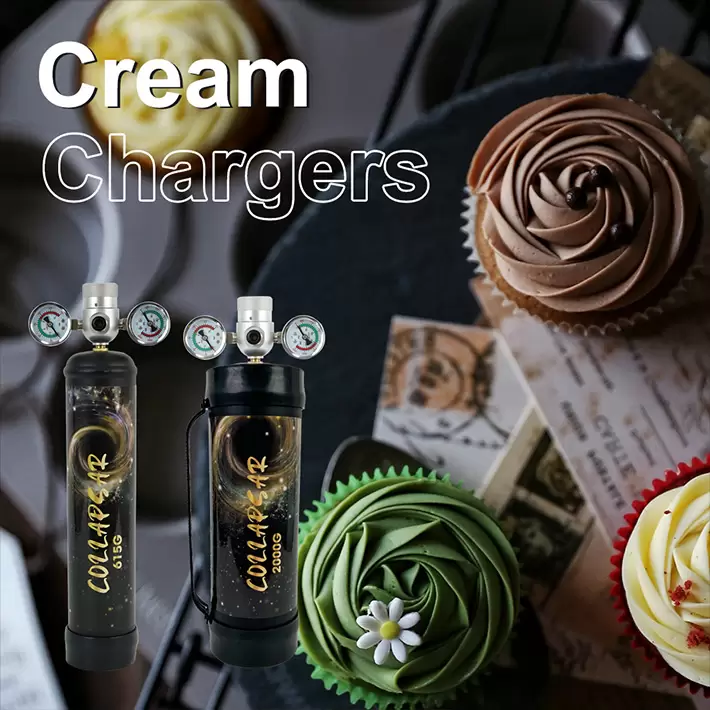
Creating perfect whipped cream requires more than just heavy cream and sugar. The gas you use matters greatly. Food-grade nitrous oxide is the essential ingredient that transforms liquid cream into a light, airy topping.
Using the correct culinary-grade gas ensures both safety and quality. It guarantees your desserts remain pure and delicious. Industrial-grade products are not suitable for consumption and pose health risks.
COLLAPSAR takes pride in supplying 100% pure food-grade nitrous oxide. Our cream chargers and dispensers meet the highest purity standards. This commitment ensures every batch of whipped cream has a flawless texture and taste.
Key Takeaways
- Pure food-grade nitrous oxide is critical for safe, high-quality whipped cream.
- Always verify the gas is intended for culinary applications, not industrial use.
- Using the correct gas protects the flavor and texture of your final product.
- COLLAPSAR provides certified 100% food-grade nitrous oxide for all culinary needs.
- Proper gas selection ensures customer safety and consistent results in the kitchen.
- High-purity nitrous oxide is essential for professional culinary standards.
Understanding the Role of Food-Grade Nitrous Oxide in Culinary Applications
Behind every perfect dollop of whipped cream lies a strictly regulated food additive. This culinary-grade gas is essential for creating light, stable foams. Its role extends far beyond simple whipping.
Professional kitchens rely on this specific propellant for consistency and safety. The correct gas ensures product quality from the bakery to the bar.
What Defines Food-Grade N2O?
True food-grade nitrous oxide is classified as E942 in the European Union. This code signifies a food additive propellant gas. It operates under strict EU legislation.
The gas must meet defined purity specifications. Production occurs under controlled manufacturing conditions. This process guarantees safety for human consumption.
Suppliers like LuxGas work within these regulatory frameworks. They ensure a consistent supply for global distributors and HoReCa businesses. Certification documentation is mandatory for the culinary supply chain.
Culinary Uses and Benefits
This high-purity gas serves three primary functions in modern kitchens. It acts as a propellant, a packaging gas, and a culinary aeration agent.
In cream chargers, it provides reliable pressure for consistent whipping. Restaurants depend on this performance daily. The gas also preserves freshness in packaged foods.
Using the correct grade protects flavor and texture. It eliminates risks associated with industrial-grade products. Chefs achieve perfect results every time.
| Feature | Food-Grade Nitrous Oxide | Industrial-Grade Nitrous Oxide |
|---|---|---|
| Purity Standards | Defined, high purity thresholds (E942) | Lower purity, may contain contaminants |
| Regulatory Compliance | Strict EU food additive legislation | Industrial safety regulations only |
| Intended Use | Human consumption, culinary applications | Industrial processes, automotive |
| Typical Contaminants | Monitored and minimized | May include oils, residues |
| Certification | Required laboratory verification | Not required for food safety |

How to Tell If N2O Is Truly Food Grade
Labels and certifications provide the first line of defense against contaminated gas products. Scrutinizing these details ensures the nitrous oxide in your cream chargers meets strict culinary standards.
Identifying Purity Indicators on Labels
Look for a stated purity level of 99.9% or higher. This is the benchmark for food-grade gas. Any product lacking this specification is not suitable for kitchen use.
Confirm the presence of the E942 food additive code. This European standard guarantees the gas is produced for consumption. It aligns with rigorous safety protocols.
Inspect the physical charger or cylinder. High-quality units have a smooth finish, free from oil residue. Rough edges can signal poor manufacturing conditions.
Verify the supplier provides a Certificate of Analysis and Safety Data Sheet. These documents confirm the product passes all required testing. They are non-negotiable for ensuring safety.
Pure nitrous oxide should be odorless. A chemical or foul smell indicates contamination. Trust your senses as a final check.

DIY Tests and Verification Methods for Gas Purity
Verifying gas quality doesn’t always require a laboratory. Practical tests can provide immediate insights into your supply. These simple checks help ensure safety and consistent culinary results.
Sensory Analysis: Smell and Sound
Your senses are powerful tools. Pure nitrous oxide should be completely odorless. Any chemical smell signals potential contamination.
Listen carefully when discharging a charger. A smooth, consistent hiss indicates proper quality. Abnormal sounds may suggest overpressure or poor filling.
Paper Towel and Whipping Tests
The paper towel test checks for residue. Discharge a small amount of gas onto a clean, white surface. Look for any oily or chemical marks.
Perform a practical whipping test. Notice the texture and taste of your whipped cream. Strange aftertastes or inconsistent foam point to low-grade nitrous oxide.
Interpreting Test Results for Safety
Failed DIY tests mean you should stop using that batch. They indicate a safety risk for kitchen operations. Always inspect dispensing equipment for residue or damage.
For definitive verification, laboratories use gas chromatography. This testing measures exact composition and confirms purity levels.
| Method Type | Specific Test | What It Detects | Reliability Level |
|---|---|---|---|
| Sensory Check | Smell & Sound Analysis | Gross contamination, filling issues | Basic Screening |
| Physical Test | Paper Towel Absorption | Oil or chemical residue | Intermediate Indicator |
| Culinary Application | Whipping Cream Test | Texture flaws, off-tastes | Performance-Based |
| Laboratory Analysis | Gas Chromatography | Exact gas composition, purity percentage | Definitive Confirmation |
Evaluating Quality: Certifications, Labels, and Supplier Standards
Evaluating a nitrous oxide supplier requires scrutiny of their certifications, labels, and adherence to manufacturing regulations. This due diligence protects your kitchen’s output and your customers’ well-being.
Understanding Certification and Quality Documentation
Professional documentation is non-negotiable. A valid Certificate of Analysis (COA) confirms the gas meets defined purity levels for each batch.
Always request the Safety Data Sheet (SDS). This document outlines handling procedures and confirms the food additive classification, such as E942.
Reputable producers, like COLLAPSAR, prioritize this transparency. They provide 100% food-grade nitrous oxide with full traceability. Their commitment ensures purity is the highest priority.
“In culinary gas supply, the paperwork is as important as the product. It’s the first assurance of food safety and consistent quality.”
Choosing Reputable Suppliers and Product Options
Vet potential partners thoroughly. Examine their production conditions and quality assurance systems. A reliable international network indicates stable supply and adherence to global standards.
Consider the product range. COLLAPSAR offers tanks like the 3.3L 2000G, 1L 615G, and 2.2L 1364G for different needs. Their superior gas leaves cream without impurities or off-odors.
Choosing a wholesale partner with strict quality controls improves culinary results. It also safeguards your brand’s reputation.
| Evaluation Criteria | Importance | What to Look For |
|---|---|---|
| Certification & Documentation | Fundamental for compliance | Batch-specific COA, E942 SDS, traceability records |
| Production & Manufacturing | Directly impacts purity | Controlled conditions, clean equipment, strict testing protocols |
| Product Range & Support | Ensures operational fit | Multiple tank sizes (e.g., 1L, 2.2L, 3.3L), reliable distribution, technical support |
| Supplier Reputation & Network | Indicates long-term reliability | Established wholesale operations, positive industry feedback, international standards adherence |
Conclusion
The integrity of your culinary creations hinges on the purity of the propellant gas you select. Verifying that your nitrous oxide meets strict culinary standards is non-negotiable for safety and consistent quality.
Always source from reputable partners like COLLAPSAR, who provide full documentation and certified food-grade gas. This diligence guarantees flawless whipped cream and protects your professional reputation.
Regular checks and proper maintenance of your cream chargers are essential practices. They help identify issues before they impact your kitchen’s performance.
Investing in verified, high-purity nitrous oxide is an investment in every dish you serve. It ensures the texture, taste, and overall success your customers expect.
FAQ
What exactly makes nitrous oxide “food-grade”?
A: Food-grade nitrous oxide is defined by its exceptional purity and strict manufacturing standards. It must meet rigorous purity levels, often 99.9% or higher, to ensure no harmful contaminants are present. This gas is produced under controlled conditions using materials approved for direct contact with consumables, making it safe for use with whipped cream and other food products.
How can I check the purity of my cream chargers at home?
You can perform simple checks. First, listen to the cream charger; a clean, quiet hiss is normal. A loud pop or screech may indicate issues. Next, perform a whipping test with a small batch. High-quality food-grade n2o will produce stable, voluminous foam without off-odors or oily residues. Any unusual smell or poor whipping results suggest the product may not meet purity standards.
What should I look for on the packaging to ensure quality?
Always inspect the label for clear markings. Look for explicit statements like “99.9% Pure” or “Food Grade.” Reputable brands, such as iSi or Mosa, prominently display this. The packaging should also list the manufacturer and a lot number for traceability. Avoid chargers with vague or missing purity information, as this is a major red flag for quality and safety.
Why are supplier certifications and documentation important?
Certifications are your proof of safety performance. A trustworthy supplier will provide documentation, like a Certificate of Analysis (CoA), verifying the gas meets all food safety regulations. These documents confirm the nitrous oxide was tested for purity and is free from contaminants. Choosing a supplier that offers this transparency is crucial for ensuring you receive a truly food-grade product.
Are there risks associated with using non-food-grade N2O for whipping cream?
Yes, there are significant risks. Industrial-grade nitrous oxide can contain toxic impurities and lubricants from the manufacturing process. Using these chargers introduces these substances directly into your food, posing a health hazard. Always insist on verified food-grade nitrous from culinary suppliers to protect your safety and ensure the best whipping results.