Many home cooks and professional chefs face a common dilemma. They prepare a delicious, airy foam for desserts but have leftovers. The question of preserving this dessert topping for later use is important.
Proper handling is essential for maintaining that light, fluffy texture everyone loves. It also prevents potential health risks. According to USDA guidelines, dairy products should not sit above 40°F for more than two hours. Bacterial growth becomes a real concern after that point.
With correct techniques, your whipped cream can remain stable and safe for several days. Using a professional-grade charger is key. This tool, when combined with strict refrigeration, extends the shelf life significantly.
Learning these methods ensures every culinary creation stays special. Whether for a dinner party or a week of treats, food safety and quality go hand in hand.
Key Takeaways
- Dairy products left at room temperature for over two hours pose a bacterial risk.
- Constant refrigeration below 40°F is critical for safe preservation.
- Using a professional dispenser helps maintain the product’s airy structure.
- Correct storage can extend the shelf life of your dessert topping for multiple days.
- These practices are valuable for both home enthusiasts and professional kitchens.
- Focusing on temperature control prevents spoilage and maintains quality.
- Understanding these guidelines helps avoid waste and ensures food safety.
Understanding Whipped Cream Storage Basics
Bacterial spoilage is the primary enemy of any freshly made foam, making proper storage non-negotiable. Mastering these fundamentals ensures your dessert topping remains a safe, high-quality product. The core principles revolve around precise temperature control and recognizing early warning signs.
Temperature Guidelines and Refrigeration Tips
Industry standards dictate an ideal storage range between 0°C and 10°C (32°F to 50°F). The USDA warns that dairy products left above 40°F for over two hours risk dangerous bacterial growth. Always place your cream dispenser in the coldest part of the refrigerator, away from heat sources like ovens.
This consistent cold environment maintains the foam’s delicate structure and extends its shelf life. Proper care extends to your equipment. Nitrous oxide chargers are sensitive to extreme heat and humidity, so store them in a cool, dry place.
Risks of Improper Storage and Bacterial Growth
When temperature guidelines are ignored, heavy cream becomes a breeding ground for microbes. This leads to rapid spoilage, compromising both safety and taste. Homemade whipping cream is particularly perishable and demands strict vigilance.
Recognizing the signs of a compromised product is crucial for food safety. Discard the topping immediately if you observe any of the following:
- A sour or off-putting taste
- Watery separation where fat splits from liquid
- An unusual yellow color or foul odor
These indicators mean the product is no longer safe for consumption. Adhering to these basic storage rules preserves the freshness and texture of your creation.

Can You Store Whipped Cream Overnight in a Dispenser Safely
Achieving stable, long-lasting dessert topping relies on understanding the principles of pressurized gas and airtight storage. With correct techniques, preserving that light, airy foam overnight is not only possible but straightforward.
Scientific Rationale Behind Overnight Storage
The core science involves the nitrous oxide gas inside a professional cream dispenser. This gas pressurizes the canister, creating an oxygen-free environment.
This airtight seal directly inhibits bacterial growth. It also maintains the product’s delicate structure for several days. The constant pressure prevents fat and water separation, preserving the airy texture.
Key Considerations for Safety and Freshness
Always keep the dispenser upright in the refrigerator. This ensures the gas and cream remain properly mixed. Shake the canister gently before each use for consistent texture.
For extended storage beyond five days, consider adding gelatin. This method stabilizes the protein matrix, further extending shelf life. Proper care of your chargers and equipment guarantees optimal freshness every time.
Optimizing Results with COLLAPSAR Cream Dispensers
Professional culinary results demand equipment engineered for precision and purity. The right tools directly impact the final product’s quality and shelf life.
COLLAPSAR systems are designed for this purpose. They deliver unparalleled performance for creating exceptional dessert toppings.
Superior Quality and Pure Nitrous Oxide Benefits
The secret lies in the gas. COLLAPSAR uses superior, pure nitrous oxide.
This high-grade gas processes cream without adding impurities, odors, or taste alterations. The result is a more pure and delicate texture.
This purity is crucial for storage. It helps maintain the foam’s structure for up to 7-10 days under proper conditions.
Product Range and Usage Details
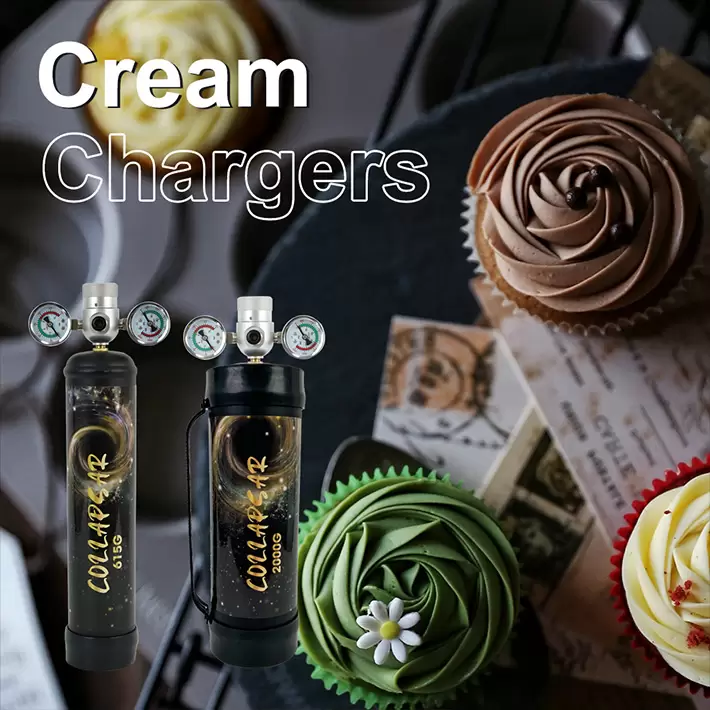
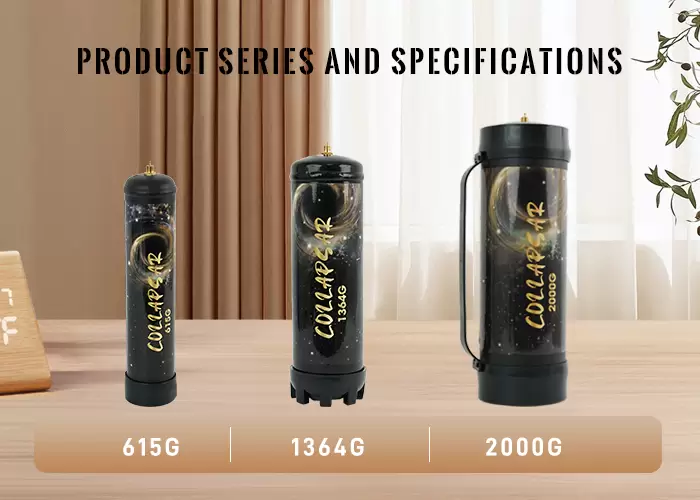
COLLAPSAR offers a range of cream dispensers and cream chargers to fit any need. Each model is built for consistent, reliable results.
The following table details the key options:
| Model | Capacity | Nitrous Oxide Weight | Primary Use Case |
|---|---|---|---|
| COLLAPSAR 3.3L 2000G | 3.3 liters | 2000 grams | High-volume professional kitchens |
| COLLAPSAR 1L 615G | 1 liter | 615 grams | Home entertaining and consistent performance |
| COLLAPSAR 2.2L 1364G | 2.2 liters | 1364 grams | Versatile culinary needs and efficiency |
These dispensers work perfectly with our cream chargers. They are engineered for long-term reliability.
For business needs, explore COLLAPSAR Wholesale opportunities. This provides access to professional-grade equipment for any scale of operation.
Best Practices for Maintaining Whipped Cream Texture
Preserving that perfect, cloud-like consistency requires a dedicated focus on equipment maintenance and environmental control. These best practices ensure your dessert topping retains its quality from the first dollop to the last.
Proper Cleaning and Handling of Dispensers
Hygiene is paramount for safety and freshness. Always clean your cream dispenser thoroughly after each use. Disassemble all parts and wash them with warm, soapy water.
This routine prevents contamination and bacterial growth. Avoid abrasive scrubbers that could scratch the interior. Scratches can harbor microbes and affect future batches.
Methods to Prevent Separation and Over-whipping
Over-whipping is a common pitfall. It causes fat molecules to clump, forming butter particles. This process destroys the delicate airy texture and leads to rapid separation.
For best results, start with well-chilled whipping cream. If your cream made in the dispenser becomes runny, a vigorous shake can often re-whip it. This restores the structure temporarily.
Storage Duration and Temperature Control
Constant, cold storage is non-negotiable. Place your dispenser upright in the refrigerator’s coldest section. The temperature must remain below 40°F.
Using high-quality tools makes a significant difference. COLLAPSAR N2O chargers help extend the shelf life of your whipped cream to 7-10 days. They maintain the perfect texture throughout this period.
Gently shake the canister before each serving. This recombines ingredients for a consistent, fluffy result every time.
Enhancing Safety and Quality in Whipped Cream Preparation
The foundation of any superior foam lies in uncompromising quality control from the initial pour to the final serving. This process integrates premium ingredients with meticulous handling protocols.
Every step directly impacts the final product’s safety and enjoyment.
Using High-Quality Ingredients and Processed Cream
Begin with fresh, high-fat heavy cream. Inspect it for any signs of spoilage like an off taste or sour smell. Quality raw materials are the first defense against bacterial growth.
The gas used is equally critical. Pure nitrous oxide, like that from COLLAPSAR, introduces no impurities. This preserves the cream’s natural flavor and texture.
Such purity is essential for maintaining a stable structure over several days.
Preventing Contamination and Ensuring Consistent Results
Sanitize all equipment, including cream dispensers and utensils, before each use. This prevents cross-contamination and safeguards freshness.
Correctly installing cream chargers ensures proper pressure for a light, airy texture. Always fill the dispenser to the recommended level for reliable results.
Adhere to the USDA guideline: never leave dairy products at room temperature for more than two hours. Immediate refrigeration is non-negotiable for safety.
Store the unit upright in the coldest part of your refrigerator. This simple habit prevents separation and extends shelf life. Discard any batch showing signs of compromise immediately.
Following these steps guarantees a safe, delightful topping for up to ten days. Investing in professional products like COLLAPSAR cream chargers elevates consistency for both home and professional settings.
Conclusion
Ensuring your fluffy creation remains safe and delicious for days hinges on a few critical practices. Proper storage in a professional dispenser extends shelf life significantly, preserving that perfect texture.
High-quality ingredients and pure cream chargers are non-negotiable for consistent freshness. Strict temperature control, never leaving dairy out for more than two hours, prevents spoilage.
Investing in a reliable cream charger system delivers professional results every time. The purity of the gas directly impacts the final product’s quality.
Adhering to these guidelines maximizes the enjoyment of your whipped cream for many days. It elevates everyday desserts into special culinary moments.
FAQ
Is it safe to keep whipped cream in a dispenser overnight?
Yes, storing it overnight is generally safe if done correctly. The dispenser must remain refrigerated to maintain a temperature below 40°F. The sealed environment, pressurized with nitrous oxide, helps preserve the airy texture and inhibits spoilage for up to 24-48 hours.
Why does refrigeration matter for a cream dispenser?
Refrigeration is critical to prevent bacterial growth. Dairy products like heavy cream are perishable. Keeping your dispenser cold slows spoilage and maintains the whipped structure. Never leave a charged dispenser at room temperature for extended periods.
What are the signs that the whipped cream has gone bad?
Look for obvious signs of spoilage: a sour smell, liquid separation, or an off taste. If the cream appears watery or deflated much sooner than expected, it’s best to discard it. Always inspect before use.
How do cream chargers from brands like COLLAPSAR improve storage?
High-quality nitrous oxide chargers, such as those from COLLAPSAR, use pure food-grade gas. This ensures no off-flavors and creates a stable, fine foam that holds its texture longer. Pure gas is key for both safety and lasting freshness.
Can I store different dispenser sizes, like a 1L or 3.3L model, the same way?
A> Absolutely. The storage principles are identical regardless of capacity. Whether using a 1L, 2.2L, or 3.3L COLLAPSAR dispenser, keep it chilled and upright. Ensure it’s thoroughly cleaned between uses to prevent contamination.
How long can I expect the whipped texture to last in the fridge?
When stored properly in a refrigerated dispenser, you can expect excellent texture for 1-2 days. After this, it may slowly lose its volume and become denser. For the best results, consume it within 24 hours.
Does using ultra-pasteurized heavy cream make a difference?
Yes. Ultra-pasteurized whipping cream has a longer shelf life and is more stable, making it an ideal choice for use in dispensers. Starting with a fresher, high-quality ingredient extends the life of your final product.