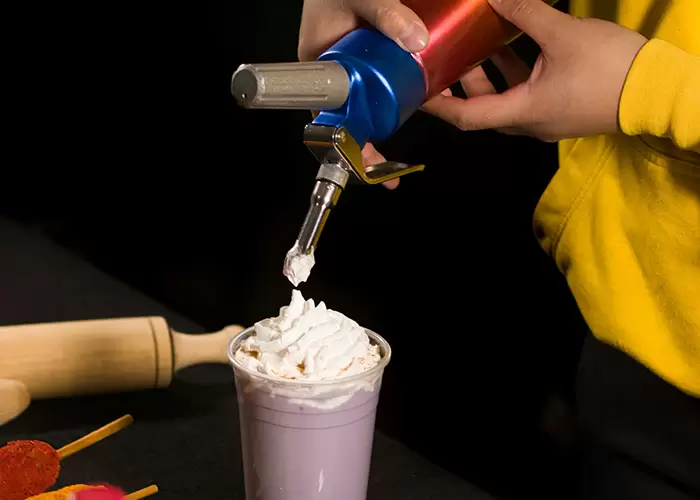
A reliable whipped cream dispenser is a cornerstone of many kitchens. Keeping this piece of equipment in top shape is non-negotiable for both safety and performance.
Proper maintenance ensures every culinary project is a success. Did you know about 70% of these tools are dishwasher safe? Always check your manufacturer’s guidelines first.
This guide focuses on a critical component: the seal. A worn gasket can cause pressure loss and messy leaks. Recognizing the symptoms early protects your investment.
Consistent, high-quality whipped cream relies on a perfectly sealed chamber. Good care prevents bacterial growth and mechanical failure. It also extends the life of your kitchen tools for years.
Key Takeaways
- Routine maintenance is essential for the safety and function of your kitchen tools.
- Most whipped cream dispensers are dishwasher safe, but always verify with your model’s instructions.
- Identifying a failing seal early prevents pressure loss and leakage.
- Proper care ensures consistent, high-quality results and avoids contamination.
- Understanding wear and tear helps protect your investment over the long term.
- This resource will help you troubleshoot common performance issues effectively.
Understanding the Importance of a Proper Seal
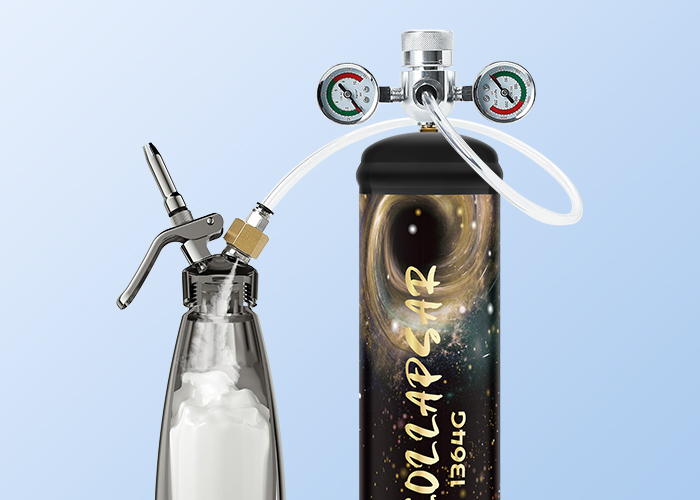
Every batch of whipped cream depends on a tight seal to trap nitrous oxide gas. This pressure is what transforms liquid cream into a fluffy foam. The gasket inside the head of your tool is the most critical component for this process.
If it fails, you will face immediate performance issues. Understanding this part’s role is key to achieving perfect results every time you use your kitchen tools.
Impact on Whipped Cream Quality and Safety
A compromised seal leads to pressure loss. Your whipped cream will become flat and runny. Consistency suffers greatly when the nozzle or gasket leaks.
Safety is also a concern. A faulty seal can allow bacteria to enter the chamber. This contaminates your fresh ingredients. Maintaining a hermetic seal ensures both top-tier texture and food safety for your desserts.
Benefits of Superior Gas and Purity from Collapsar
The gas you use is equally important. High-quality nitrous oxide (N2O) makes a noticeable difference. Collapsar provides superior gas that ensures processed cream is free from impurities, odor, and taste.
Using pure gas eliminates any off-flavors in your whipped cream. It allows the natural sweetness of your cream to shine. For the best outcomes, pair a flawless seal with premium N2O from a trusted source like Collapsar.
This combination guarantees a more pure and delicate final product. Your whipped cream dispensers will perform at their peak.
Signs Your Cream Dispenser Seal Needs Replacement
Listen closely during operation; a faint hiss often reveals the first clue of trouble. Recognizing these symptoms early prevents wasted ingredients and ensures safety.
Identifying Visible Damage and Leaks
An audible hissing sound from the head is a common indicator. This noise means gas is escaping before fully piercing the cartridge.
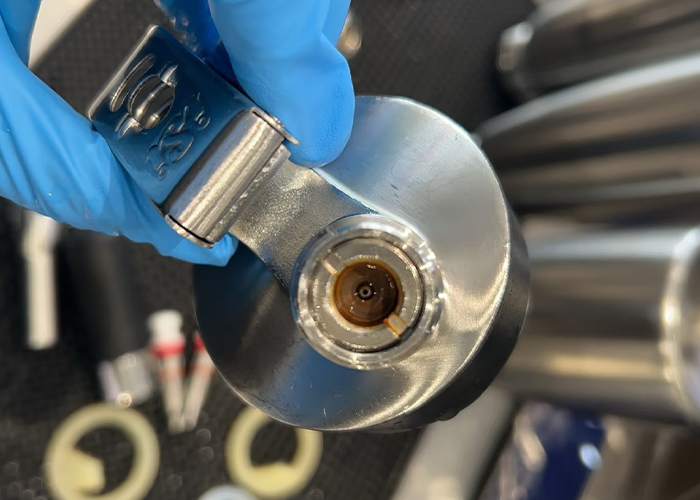
Inspect all parts for cracks each time you clean. Warped threads on the head can also cause leaks.
Look inside the chamber. Bubbles forming in the cream signal a loose gasket. The gas escapes through the nozzle, ruining texture.
If the product emerges as a thin liquid, it confirms nitrous oxide leakage.
Noticing Pressure Loss and Inconsistent Whipping
When pressure drops, the whipping process fails. The result lacks the desired airy foam.
Inconsistent whipping yields a subpar product. This is a direct consequence of nitrous oxide leakage.
Achieving perfect whipped cream depends on stable pressure. The dispenser relies on a sealed environment. Address these issues promptly.
Maintenance and Cleaning for Optimal Dispenser Performance
The difference between good and great whipped cream often lies in how you clean your tools. A consistent routine prevents residue buildup and safeguards your food. This care directly supports the gas pressure needed for perfect whipping.
It also stops harmful bacteria from growing inside the unit. A clean appliance is a safe and reliable one. Make this process a habit after every use.
Step-by-Step Cleaning Process
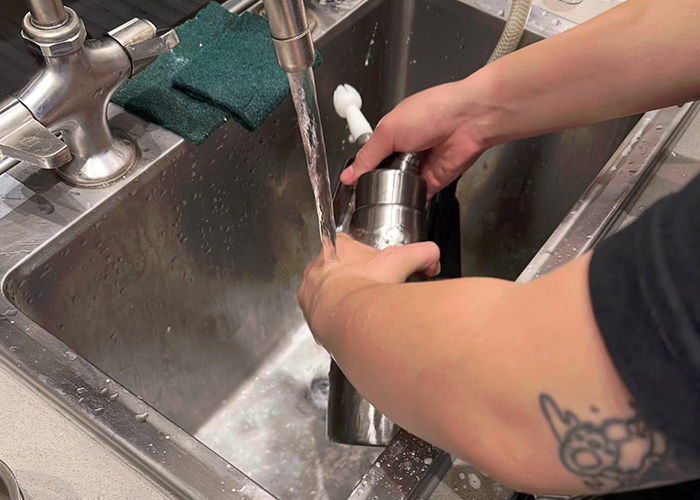
First, fully disassemble your dispenser. Take apart the head to access the gasket and other small parts. Clean the gasket separately with warm, soapy water.
Use a soft brush to scrub any cream residue from the crevices. Next, wash the main canister with a soft sponge. Avoid abrasive cleaners that can scratch the interior.
Soak the nozzle in warm water to clear any clogs. A small brush works well here too. Finally, let every component air dry completely before putting it back together.
Essential Tools and Supplies
Having the right tools makes this task easy and effective. You do not need a complex kit. Gather these simple items for best results:
- Soft-Bristled Brush: Ideal for cleaning the nozzle and gasket without causing damage.
- Mild, Food-Safe Soap: Cuts through fat and sanitizes all parts safely.
- Lint-Free Towel: For drying the canister exterior and preventing water spots.
While many dispensers are dishwasher-safe, handwashing gives you more control. It ensures a thorough clean every time. This protects your investment and guarantees top performance.
Troubleshooting Common Issues with Whipped Cream Dispensers
When your whipped cream isn’t turning out right, a systematic approach can save time and ingredients. Most performance problems fall into two categories: leaks and pressure loss. A methodical diagnosis helps you pinpoint the faulty component quickly.
This process protects your investment and ensures safe operation. You will avoid wasting expensive gas cartridges. Follow this logical guide for effective repairs.
Detecting Leaks and Faulty Components
Start by listening for a hiss during or after charging. This sound means gas is escaping. Visually inspect all parts, especially the head and gasket.
Check that the gasket is seated correctly. Ensure the head is screwed on tightly to the canister. For stubborn leaks, submerge the assembled unit in a tub of water.
Tiny bubbles will reveal the exact source. This test is a definitive way to locate even minor gas escapes. It is a crucial step before attempting any fix.
Solutions for Pressure and Seal Problems
A clogged nozzle is a frequent issue. Soak the part in warm water to dissolve hardened residue. If the N2O cartridge does not pierce, check the pin.
You may need to replace a worn piercing pin. Also, verify cartridge compatibility with your model. A persistent hissing sound typically requires a new gasket.
Replacing this small part often restores full pressure. Always use manufacturer-approved gaskets and cartridges. These tips will get your dispenser whipping perfectly again.
Using Collapsar N2O Tanks for Ultimate Whipped Cream Results
The secret to flawless whipped cream often lies in the quality of the gas you use. Premium nitrous oxide ensures a pure, stable foam every time. This section explores how upgrading your source can elevate your dessert game.
Overview of Collapsar Products and Benefits
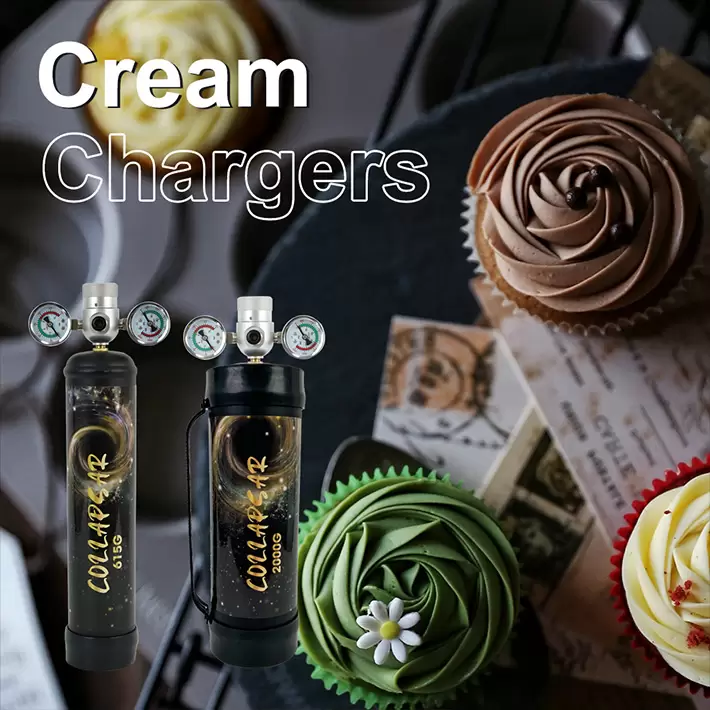
Collapsar offers a range of professional N2O tanks. Choices include the 3.3L 2000G, 1L 615G, and 2.2L 1364G models.
These tanks suit any kitchen, from home to high-volume cafe. The gas maintains a 99.95% purity level. This high standard eliminates bitter aftertastes found with lower-quality chargers.
Your whipped cream will taste only of fresh, sweet cream. The purity also helps protect your dispenser from residue buildup.
How Quality Gas Enhances Your Dispenser Performance
Using superior nitrous oxide gas directly improves your whipping process. Consistent pressure from a large tank means fewer cartridge changes. This reduces wear on the dispenser head and gasket.
Fewer connections mean fewer potential points for leaks. You save money on chargers over time. The steady gas flow creates a perfect, airy texture batch after batch.
For businesses, Collapsar wholesale opportunities are available. This lets you provide top-tier equipment to your customers. Pair a reliable dispenser with Collapsar N2O for unbeatable results.
Preventive Measures to Extend Your Dispenser’s Life
Proactive care is the best strategy for keeping your kitchen tools in peak condition. Implementing a few key practices can significantly increase the operational lifespan of your equipment.
This approach focuses on avoiding problems before they start. It saves you from the frustration of mid-recipe failures.
Routine Inspections and Timely Seal Replacements
Start with your N2O chargers. Store them in a cool, dry place at a stable room temperature between 15-25°C (59-77°F). This preserves the nitrous oxide gas and ensures reliable performance every time.
Make a habit of checking the gasket during cleaning. Look for cracks, flattening, or brittleness. A worn seal is a primary cause of leaks and pressure loss.
Replace it immediately to maintain a perfect seal. Always insert your cream charger straight up into the head. This allows the piercing pin to work correctly.
For commercial cream dispensers, schedule monthly check-ups. Inspect all parts, including the nozzle and head threads.
Consistent cleaning with warm, soapy water prevents residue buildup. This simple step stops many common issues from developing.
Following these tips protects your investment. You will avoid the annoyance of leaking chargers and inconsistent results.
Your whipped cream will always have the perfect, airy texture. Proper care ensures your dispenser delivers excellent whipping performance for years.
Expert Tips for Consistent Whipped Cream Quality
Achieving restaurant-quality foam at home requires mastering a few key techniques beyond just having the right equipment. These professional tips focus on ingredient selection and handling to ensure perfect results every time.
Proper Handling and Shaker Techniques
Start with the foundation: your whipping cream. Always use heavy cream with a fat content between 27-36%. This range provides the necessary structure for a stable, airy foam.
After charging your dispenser with a cream charger, shake it vigorously three to five times. This action ensures the nitrous oxide gas is fully absorbed into the liquid.
Do not overfill the canister. Leaving space allows proper aeration during the whipping process. For infused creations, strain all ingredients to prevent nozzle clogs.
| Fat Percentage | Texture | Stability | Best Use |
|---|---|---|---|
| 27-30% | Light, Soft | Good for immediate serving | Beverages, quick desserts |
| 31-33% | Rich, Creamy | Holds shape for hours | Pies, cakes, plating |
| 34-36% | Very Thick, Dense | Excellent long-term hold | Decorations, professional piping |
Proper handling of your whipped cream chargers is also crucial. Source them from a reputable brand to maintain pressure and avoid common issues. Mastering these shaker techniques will elevate your whipped cream to a professional standard.
This guide emphasizes that consistent whipping depends on both your cream dispensers and your method. Paying attention to these details prevents most parts from failing, including the head and nozzle.
Conclusion
Mastering the art of perfect whipped cream hinges on diligent equipment care. Regular cleaning and inspecting key parts are fundamental for consistent results every time.
Spotting early symptoms like hissing or poor texture prevents issues and protects your dispenser. This proactive approach saves you from frustration.
Pair your maintained tool with high-quality nitrous oxide gas from a trusted supplier. Pure gas ensures your cream foam is delicate and free from any off-flavors.
Proper storage for your chargers also extends the life of your kitchen investment. With the knowledge from this guide, you can troubleshoot common issues with confidence.
Enjoy delicious, professional-grade whipping results at home for years to come.
FAQ
How can I tell if the gasket on my whipped cream dispenser is failing?
Look for visible cracks or dryness on the rubber seal. A clear sign is liquid or gas leaking from around the head when the unit is charged. If your whipping cream lacks volume or comes out runny, it often points to pressure loss from a faulty gasket.
Why is a good seal so critical for my whipped cream results?
An intact seal maintains the correct pressure inside the canister. This pressure is what forces the cream through the nozzle, creating perfect texture and stability. A leaky gasket wastes nitrous oxide gas and leads to flat, disappointing results every time.
What is the best way to clean my cream whipper to prevent seal damage?
Disassemble the unit completely after each use. Wash all parts, except the head, with warm, soapy water and rinse thoroughly. Ensure the gasket and threads are completely dry before reassembly. Never submerge the pressurised head in water.
My dispenser is leaking from the nozzle. Does this mean I need a new seal?
Not necessarily. A leak from the nozzle often indicates a clog. First, try soaking the nozzle in warm water to clear it. If leaking persists from the joint where the head meets the canister, then the main gasket is likely the issue and needs replacement.
How does using a quality gas like Collapsar N2O benefit my equipment?
High-purity nitrous oxide, like that from Collapsar, contains no moisture or impurities that can degrade internal components. This purity helps preserve O-rings and gaskets, ensuring consistent pressure and extending the life of your dispenser.
How often should I replace the seals on my professional cream dispenser?
For frequent use, inspect gaskets monthly and replace them at the first sign of wear. For home use, a visual check every few months is sufficient. Always replace any seal that appears flattened, cracked, or no longer springs back to shape.